The 2026 Toyota RAV4 plug-in hybrid has a detail shoppers could easily miss: DC fast charging is not available across the entire lineup. Picking a plug-in badge does not automatically mean you can use a compatible fast charger to refill the battery during a short stop.
Why split the lineup that way? Chief engineer Yoshinori Futonagane addressed the decision in Jeff Perez’s October 2025 Motor1 interview. His answer points to how Toyota expects different owners to use the vehicle, rather than a single charging specification for every trim.
First, know which RAV4 actually gets fast charging
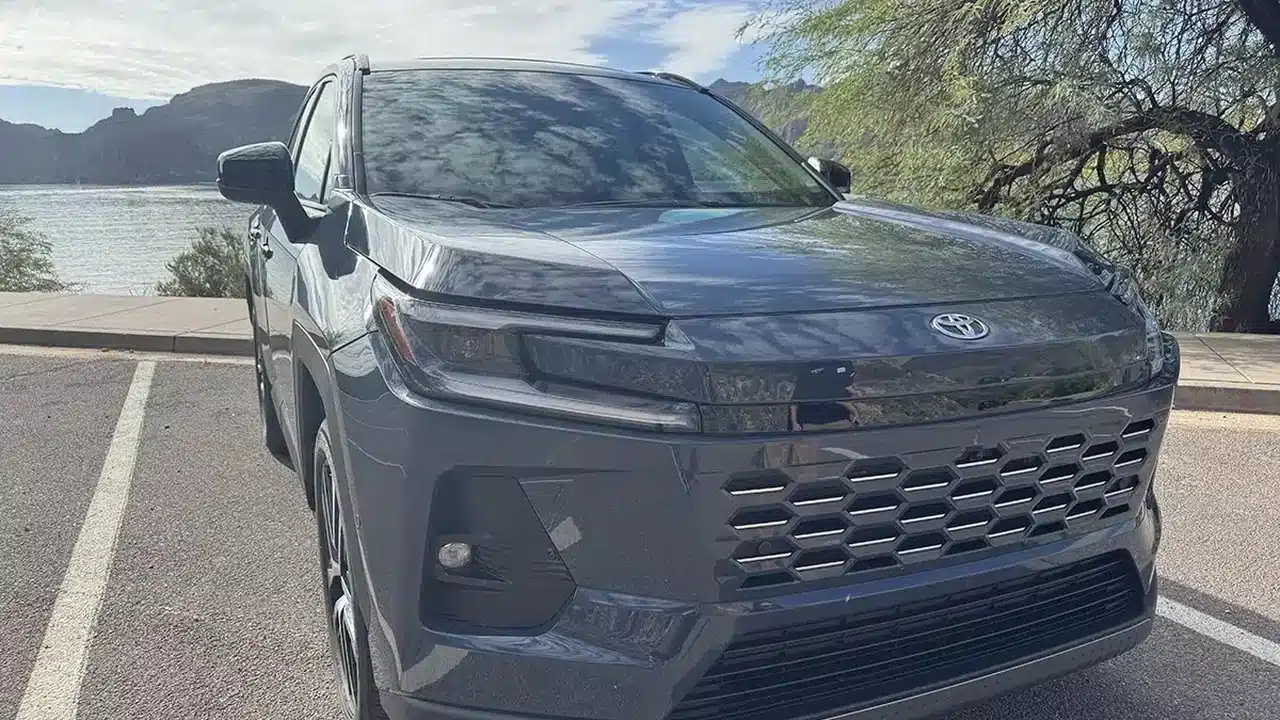
Toyota’s 2026 RAV4 technical announcement specifies DC fast charging for the XSE and Woodland plug-in hybrids. Those models use a CCS1 charging port and an 11-kW onboard AC charger. The SE and GR SPORT plug-in hybrids use a J1772 port and a 7-kW AC charger, without DC fast charging.
Those details apply to the plug-in versions. A regular RAV4 Hybrid is not a vehicle you connect to a charging station. Also, AC charging capability and DC fast charging are separate specifications. A larger onboard AC charger does not, by itself, tell you that a vehicle can accept DC charging.
The chief engineer described different buyer priorities
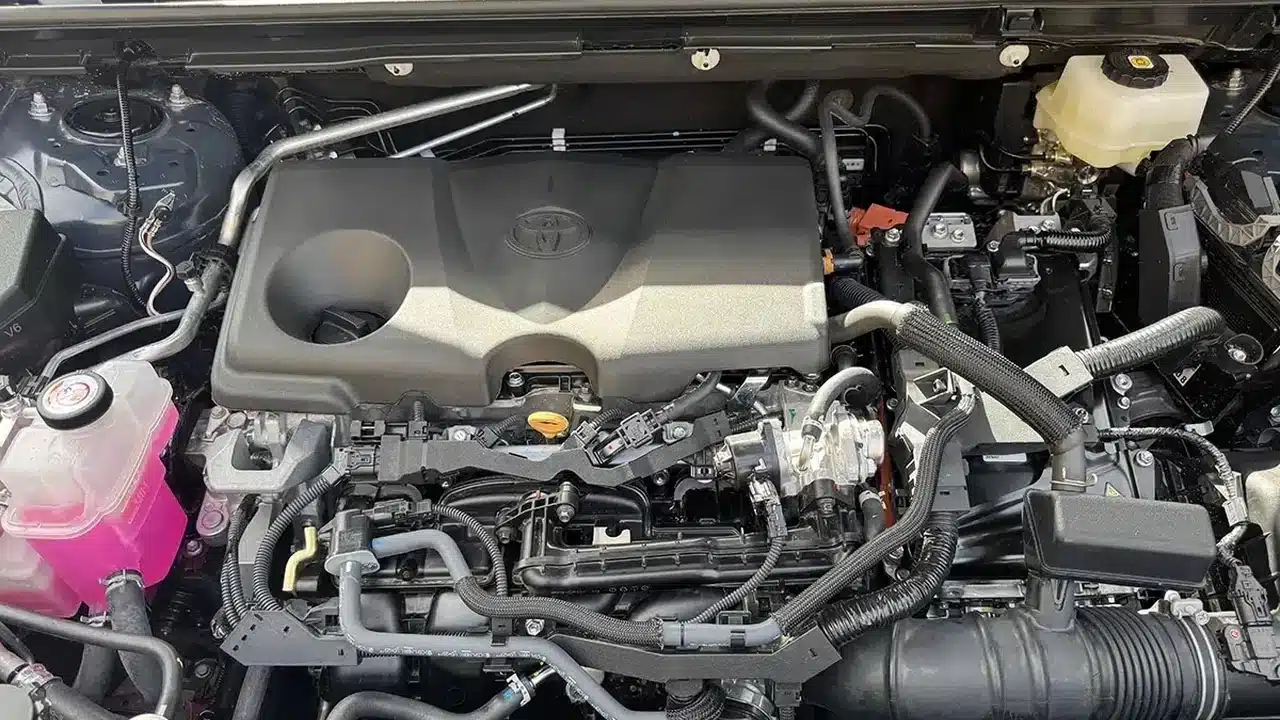
Asked about the charging split, Futonagane told Motor1 that SE and GR SPORT emphasize fundamental driving performance, while XSE customers are more likely to value the convenience of DC charging. The interview’s answer specifically discussed XSE; Toyota’s specifications separately confirm that Woodland also gets the feature.
That explanation is narrower than saying Toyota removed fast charging because of a particular cost or weight penalty. The interview does not establish either claim, so we would not turn those guesses into an engineering explanation. What it does establish is that Toyota did not expect every plug-in buyer to prioritize the same charging experience.
Fast charging matters most when it fits your routine
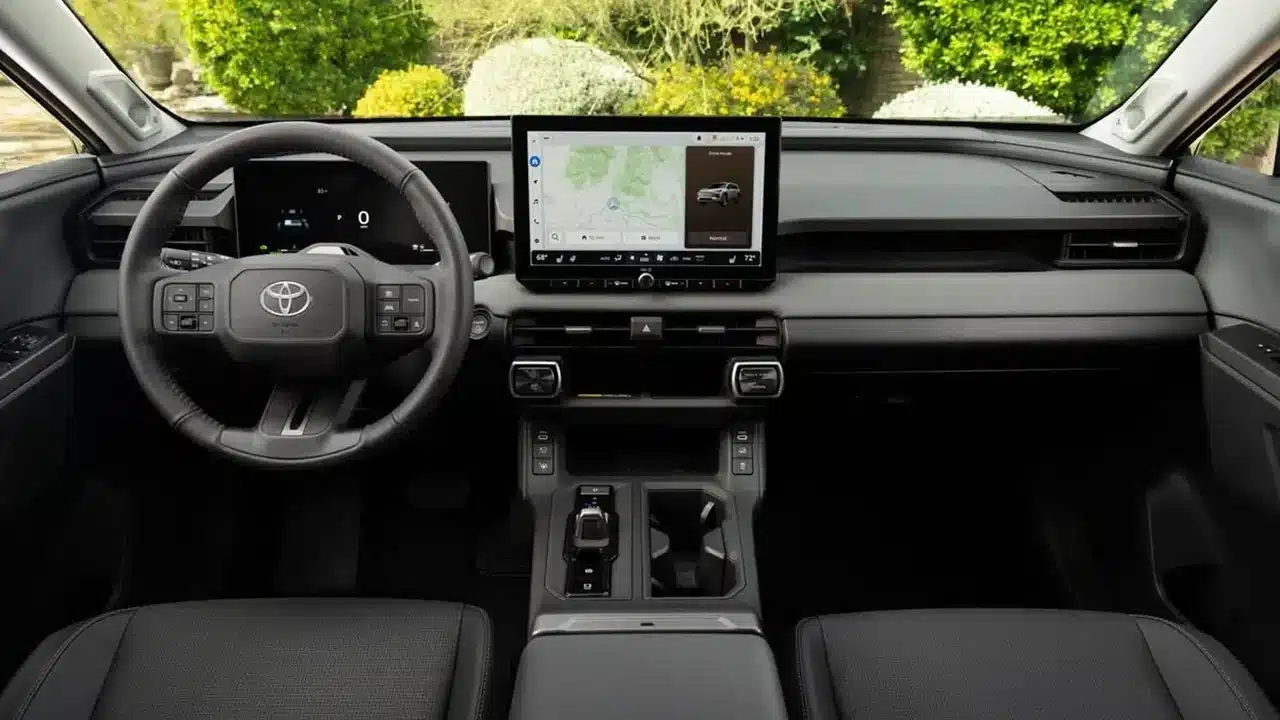
Toyota estimated a roughly 30-minute DC charge from 10% to 80% under ideal conditions for the equipped trims. Treat that as a conditional estimate, not a guaranteed stop length. Battery temperature, the charger and the starting charge level can change the experience.
Our view is that the useful question is how often you would actually make that stop. If the car normally charges while parked at home, faster public charging may be an occasional convenience. If you regularly park near a compatible charger during errands, the feature could matter more. Neither situation makes one trim automatically right for everyone.
A plug-in hybrid also retains a gasoline engine. That gives you another option on a long trip, but it means the value of a charging stop should be weighed against its time and cost. Do that comparison using your own electricity and gasoline prices, not a blanket claim that public charging always saves money.
Check the equipment before choosing the trim
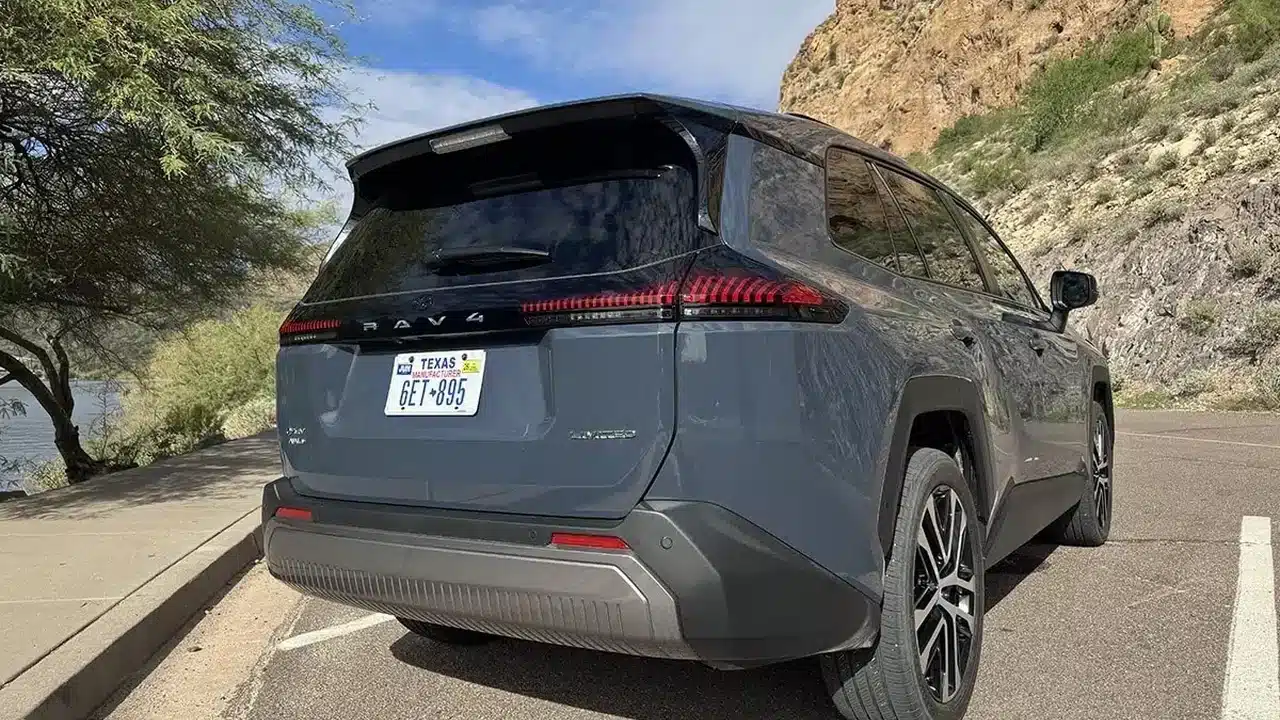
Before signing, verify the charging port, AC charging capability and DC support on the exact vehicle you are buying. Do not rely on a general RAV4 advertisement or assume the sportiest trim has every technical feature. The GR SPORT example shows why that shortcut can fail.
Then build the decision around your parking and driving routine. A feature that gets used several times a week deserves more weight than one you might use twice a year. That is the practical takeaway from the engineer’s answer: charging equipment is part of the trim choice, and the best fit depends on what you will do with it. Find more explanations in Engineer Explains.