Why is the Toyota Camry hybrid-only? When Toyota dropped the gas-only choices for the U.S. 2025 redesign, it changed more than the fuel-economy number on the window sticker. Buyers lost the ability to choose a conventional four-cylinder or a V6. That makes the engineering decision worth revisiting.
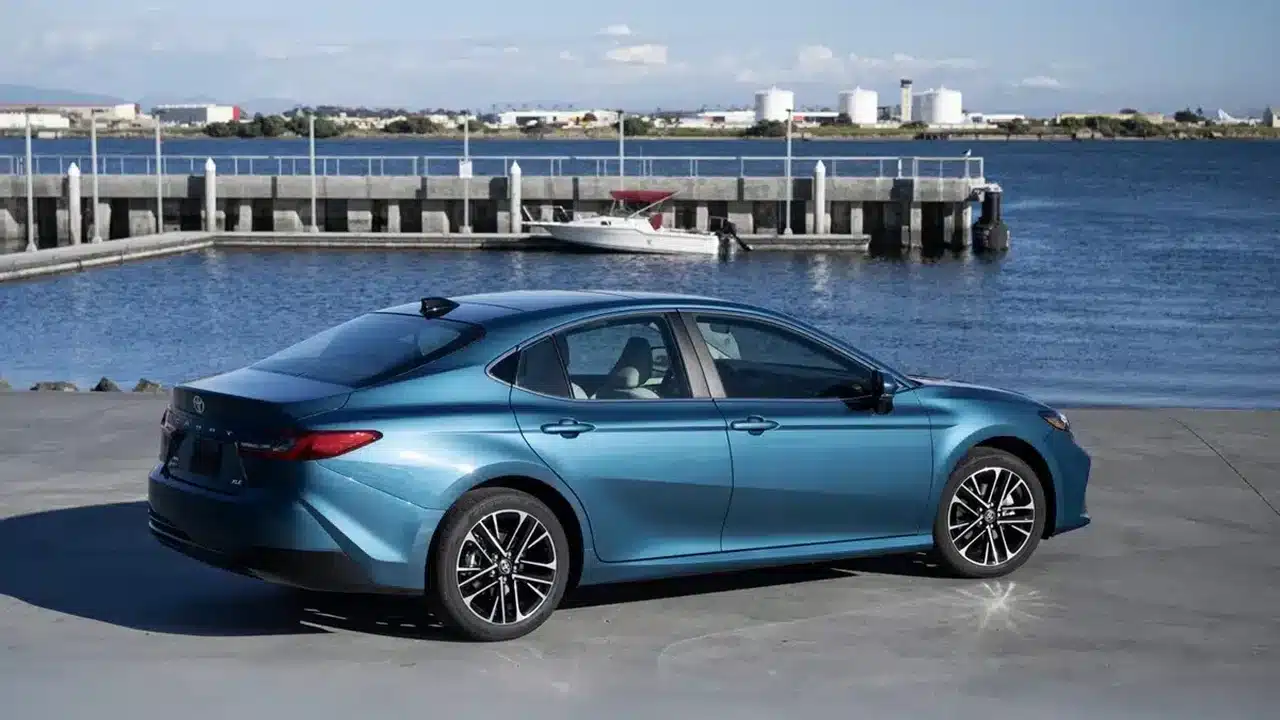
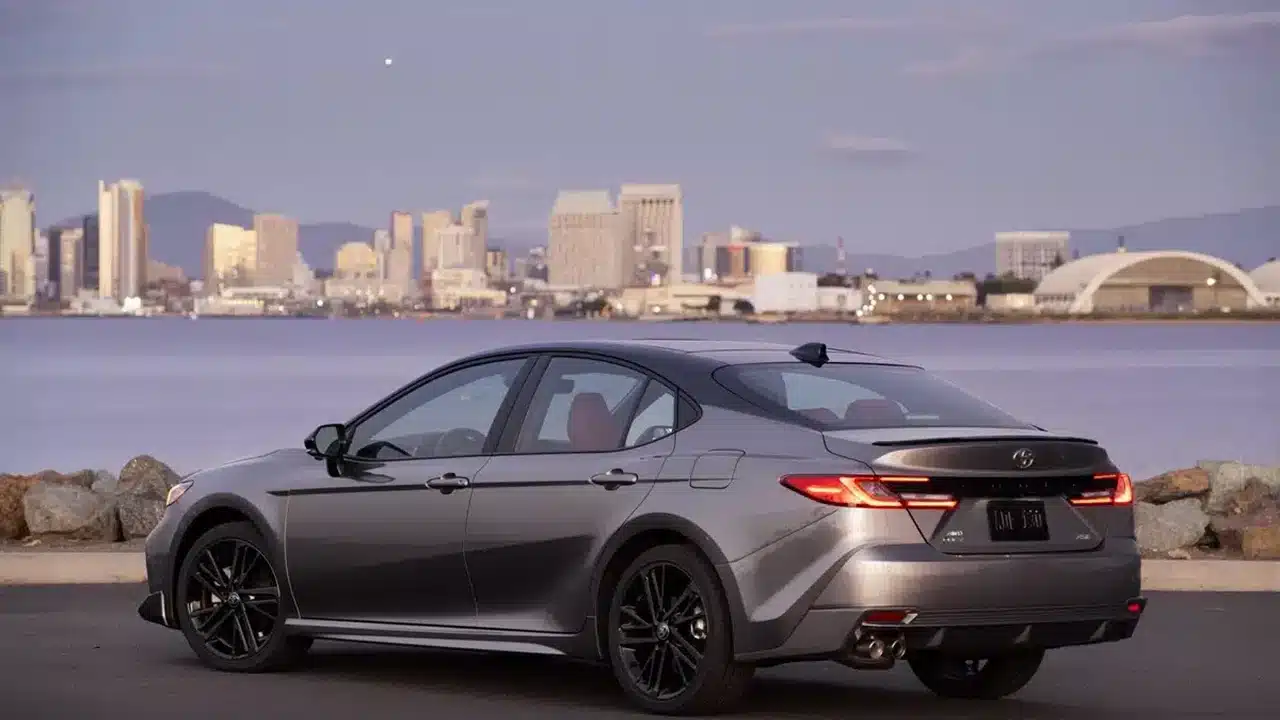
Chief engineer Mark DeJongh discussed that decision with Chris Perkins in Motor1’s April 2024 interview. His explanation, combined with Toyota’s technical information, helps separate the car Toyota intended to build from the one some longtime Camry buyers expected. Photos show the same-generation 2026 model.
Toyota believed the hybrid was ready for everyone
DeJongh told Motor1 that the timing was right. The newer hybrid system offered efficiency and improved refinement, and Toyota expected customers to accept the change. That is a broader argument than simply chasing a higher mpg rating.
For a shopper, the useful distinction is between buying a hybrid as a special option and buying a car whose entire lineup is hybrid. There is no longer a gas-only Camry sitting next to it as the automatic fallback. The decision becomes whether this particular powertrain suits your driving, rather than whether the word “hybrid” belongs on your shopping list.
The electric motors are part of the performance story
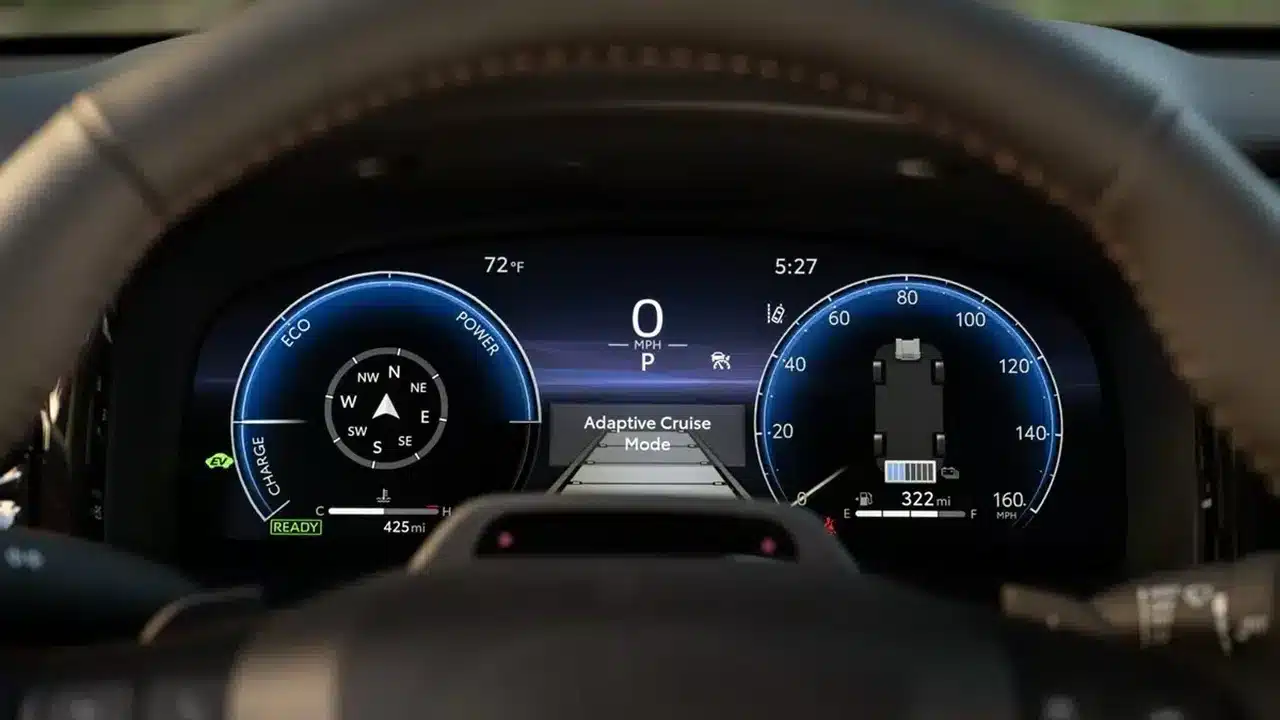
According to Toyota’s engineering announcement, the 2025 Camry combines a 2.5-liter four-cylinder engine with its fifth-generation hybrid system. Front-wheel-drive models produce 225 combined horsepower; all-wheel-drive versions make 232. Those are total system ratings, not the gasoline engine’s output by itself.
This is a conventional hybrid, so owners do not plug it in. For someone without charging at home, that distinction matters more than the electrification label. You can evaluate the car around the trips you already take, without first changing where you park or adding charging equipment.
The engineers still wanted it to feel like a sedan
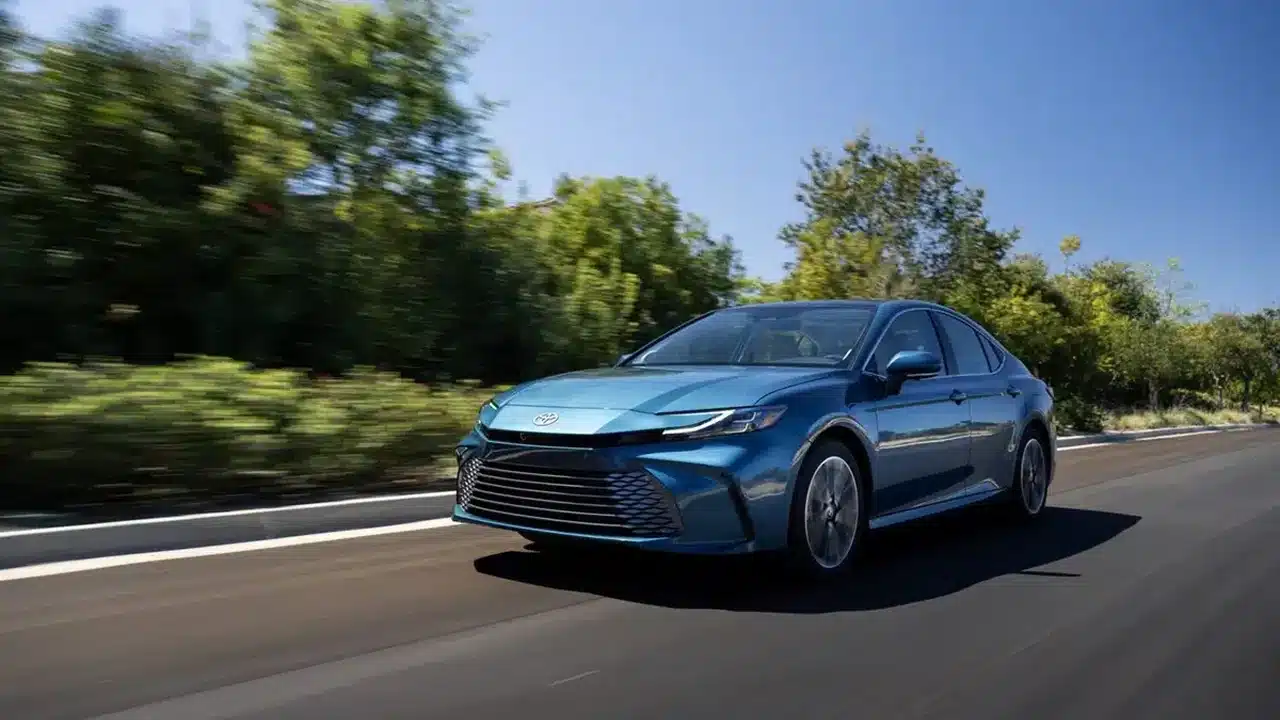
DeJongh also described a development focus on the Camry’s sedan identity, including steering, braking and ride tuning. Toyota was not trying to turn it into a crossover merely because crossovers dominate so many shopping lists.
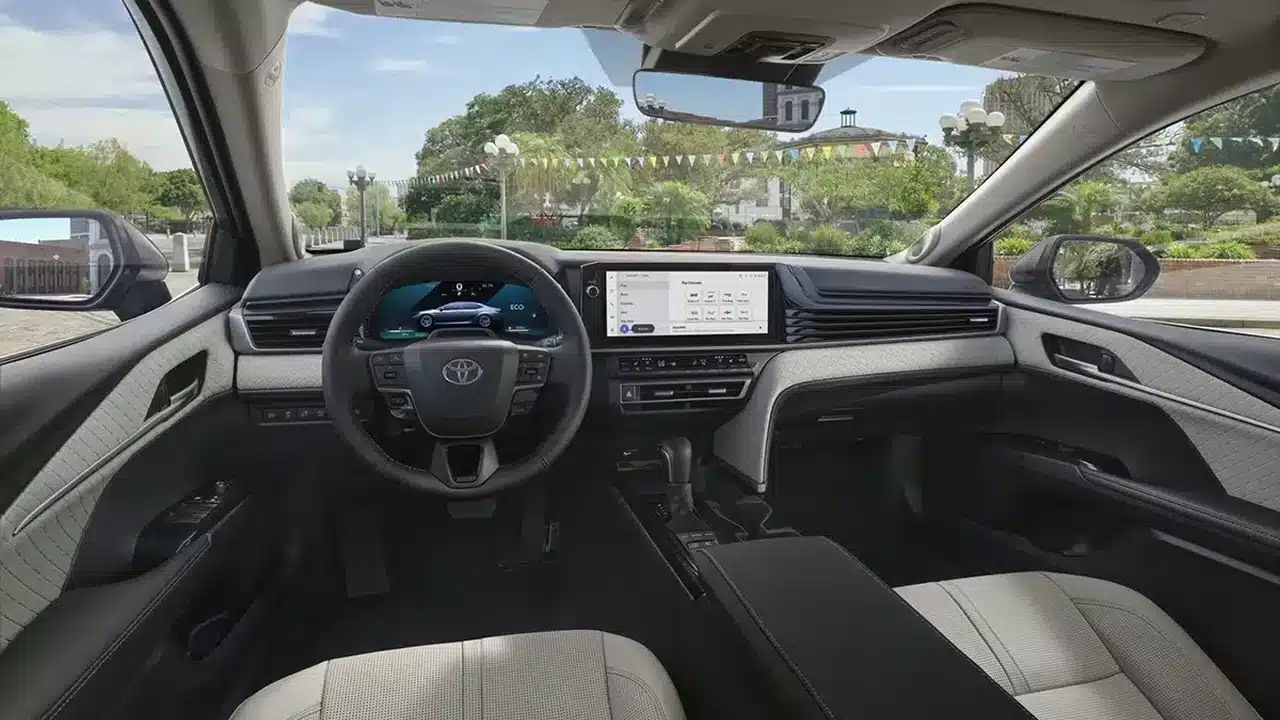
That gives buyers a better test-drive checklist than horsepower alone. Pay attention to how easily you can meter the brakes in traffic, how the steering responds on your usual roads and whether the seat and driving position work for you. A powertrain can look impressive on paper while the rest of the car still needs to fit the person driving it.
Hybrid-only does not mean every Camry buyer wins
For a commuter, a powertrain built around everyday efficiency may be exactly the right answer. For someone who loved the character of a V6 Camry, it may not be. A combined horsepower figure cannot tell you how much you will miss a particular engine’s sound or response. That is a preference worth acknowledging, not dismissing.
Our take: judge this Camry as a complete car, then compare the actual trim you want against your alternatives. Wheel and tire choices, purchase price and your driving pattern all belong in that decision. The chief engineer’s explanation tells us why Toyota made the change. It does not replace a test drive—or establish a long-term reliability verdict. For that side of ownership, explore our Reliability coverage.