Most cars do not announce neglect with one spectacular failure. They accumulate little problems while their owners are busy with everything else. A service reminder gets dismissed, a tire looks low and an unfamiliar noise becomes part of the morning commute.
The same habits Larry Printz described in Pickup Truck + SUV Talk’s maintenance column apply to the sedan in the driveway and the SUV handling school runs. Here are four habits worth correcting before they become the expensive part of ownership.
1. Treating fluid service as optional
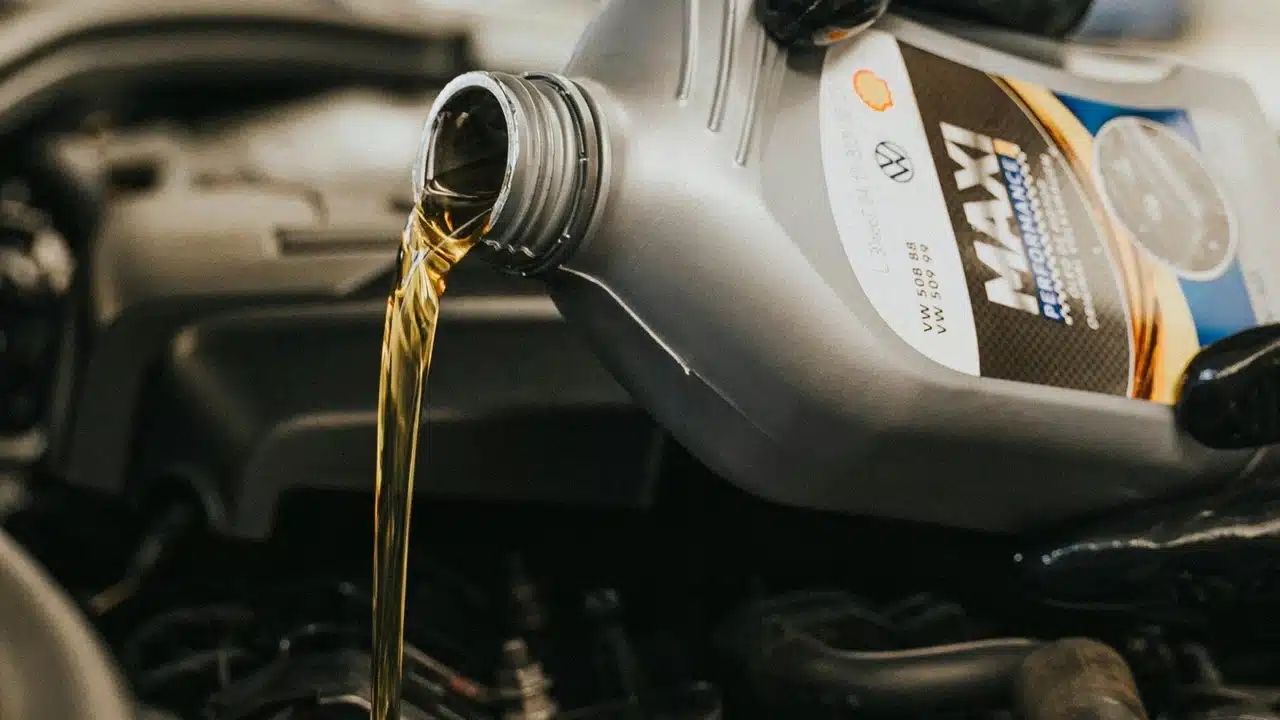
Drivers will monitor a fantasy football roster with impressive dedication, then put off checking what their engine needs. Oil changes and other scheduled fluid services deserve an actual place on the calendar. The right schedule comes from the manufacturer’s guide for the vehicle and its use.
Do not replace that schedule with a blanket instruction to change every fluid at the same mileage. Ask what is due, what specification the car requires and whether the shop found a condition needing attention. A clear service record is more useful than a pile of reminder stickers.
2. Neglecting tires and load limits
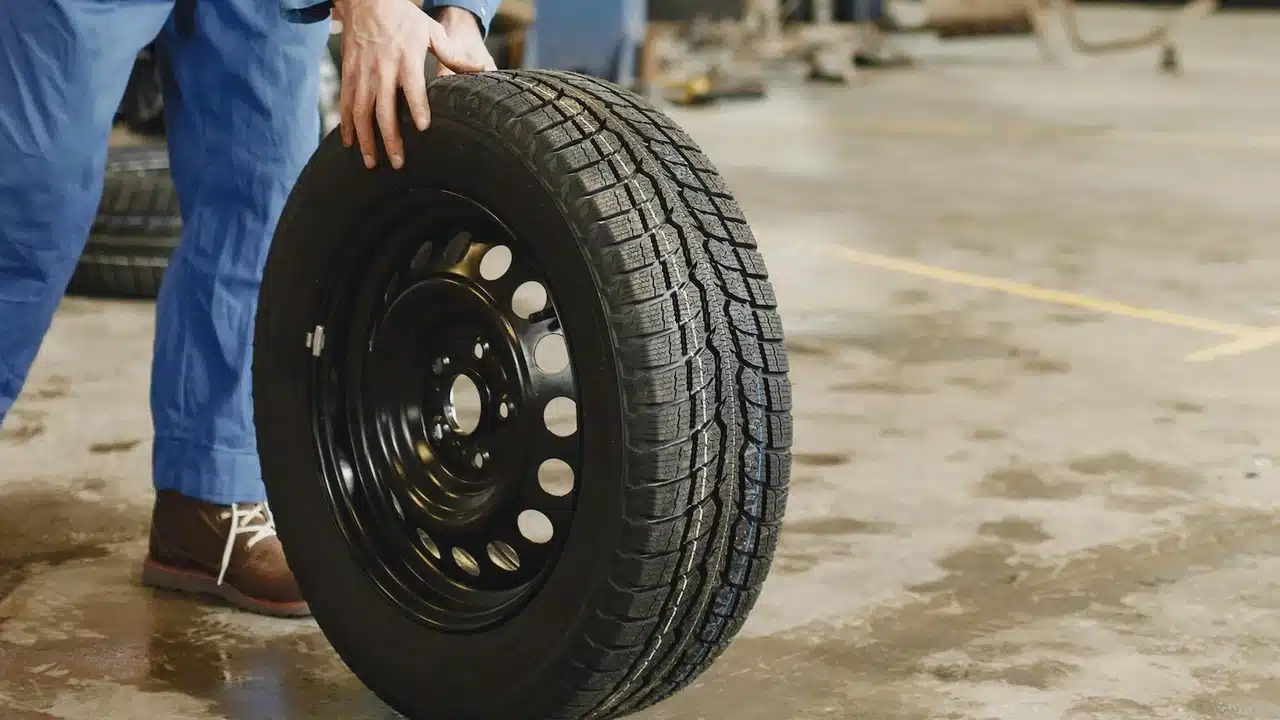
Tires have an important job for something many owners notice only after a warning appears. Check their condition and maintain the specified pressure, then follow the vehicle’s rotation guidance where rotation is permitted. An AWD badge does not make those responsibilities disappear.
If a tire repeatedly loses pressure or one wears differently from the others, have the cause investigated. Replacing the tire without discussing the wear pattern can leave the underlying issue unresolved. Record what the shop found so you can check whether the next set behaves differently.
Family passengers, luggage and accessories add up. Read the vehicle’s loading label and owner’s manual before packing for a trip, and follow the limits for any roof carrier or hitch equipment. The fact that everything fits inside does not establish that the vehicle can carry it all.
If you tow, use the instructions and ratings for the exact configuration. A maximum advertised for the model range may not describe the vehicle you own. Plan the load before departure rather than trying to solve an overloaded-car problem at the roadside.
3. Living with a change in ride or steering
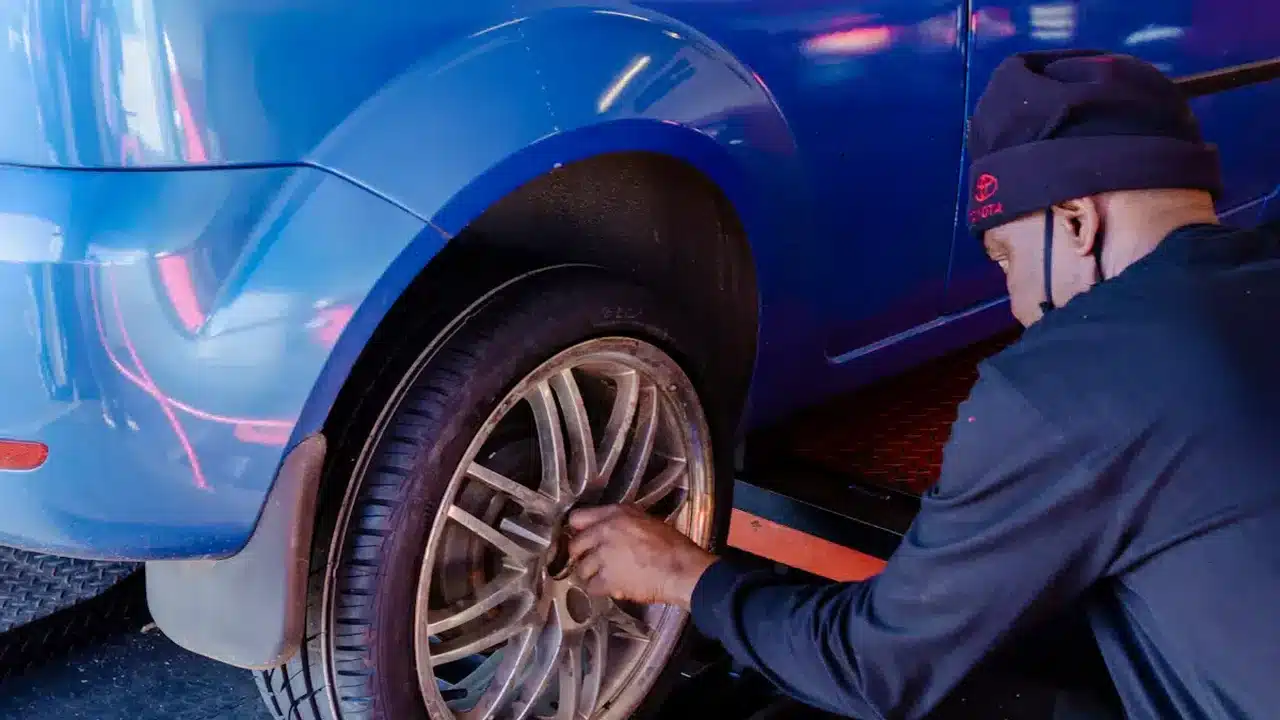
A car that starts bouncing, pulling or making a new clunk is giving you information. Suspension and steering concerns deserve inspection, not a louder radio. Tell the technician when the symptom happens: braking, turning, crossing a bump or traveling at a particular speed.
A specific description helps the shop reproduce the complaint. Avoid arriving with an absolute diagnosis based on someone else’s video; several different problems can produce similar symptoms. Ask for the findings and the proposed repair before authorizing parts.
4. Treating warning lights as decoration

An unfamiliar dashboard light deserves a look at the manual. Some messages call for prompt service; others require stopping safely and getting assistance. Do not assume every warning permits another week of commuting, and do not erase a message simply to make the dashboard look normal.
Keep a record of the warning and the circumstances for the repair shop. Maintaining a car is partly about scheduled work and partly about responding when its behavior changes. Paying attention to both is less glamorous than shopping for accessories, but usually more useful.
Adapted for We Talk Cars from Larry Printz’s Pickup Truck + SUV Talk column. Featured image courtesy of Pexels / PUTT library.
Explore more everyday ownership advice in Cars 101.