
Lift your foot in some electric cars and the vehicle slows noticeably. In other hybrids, slowing down feels much like driving a conventional car. Both may be recovering energy through regenerative braking, even though the driver experiences it differently.
The feature is useful, but its name can make it sound more mysterious than it is. Regeneration uses the electric drive system to recover some energy while slowing the vehicle. It does not eliminate the need for conventional brakes or careful driving.
Slowing down can put energy back into the battery
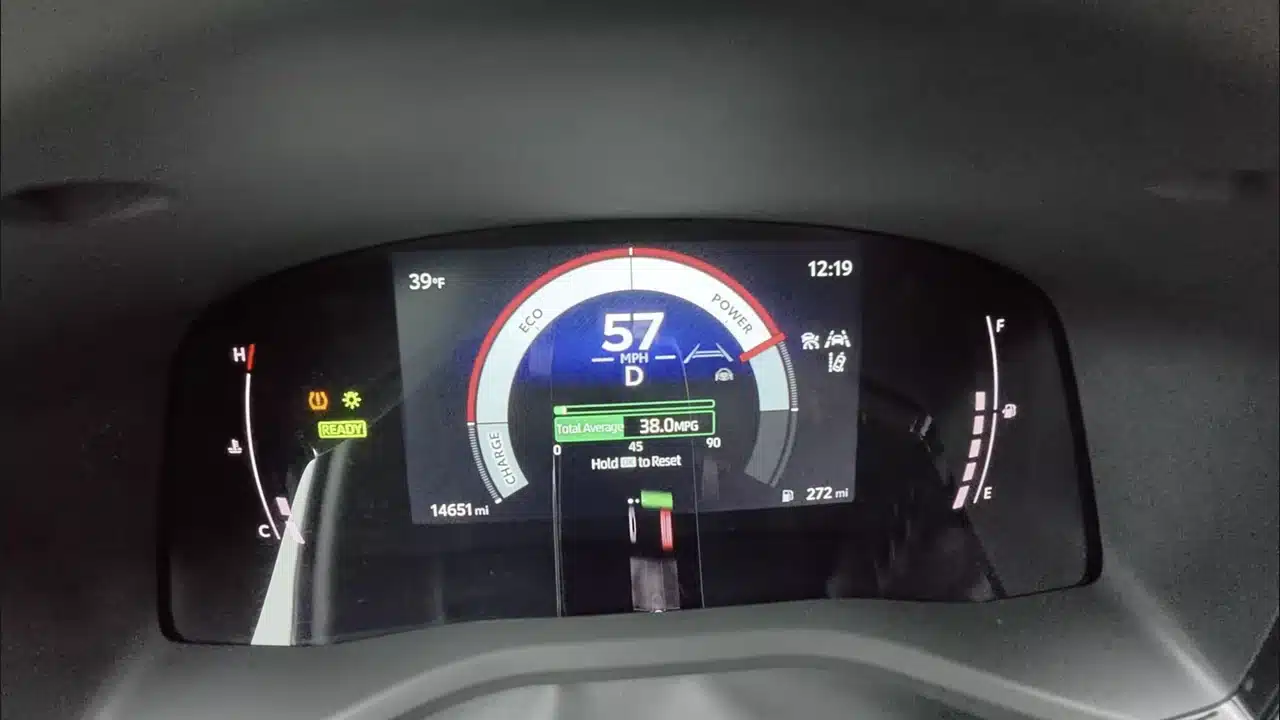
In regeneration, an electric motor operates as a generator. Some of the vehicle’s motion is converted into electricity rather than being lost entirely as heat through friction braking. The Department of Energy’s hybrid guide identifies this as one way a hybrid replenishes its traction battery.
This is energy recovery, not a way to create unlimited driving range. You spent energy getting the car moving in the first place. For the driver, the useful habit is anticipating traffic and driving smoothly rather than accelerating just to produce another opportunity to brake.
The friction brakes still have a job

Ford’s description of its regenerative system explains how the controller divides requested deceleration between regeneration and conventional friction braking. It also notes that regeneration can be limited when the battery is nearly full.
The details vary by vehicle, so a change in a dashboard energy display is not enough to diagnose a brake fault. If you notice a warning, reduced stopping ability or a new mechanical symptom, follow the manual’s instructions and have it checked. “It is a hybrid” should not become a blanket explanation for a braking concern.
One-pedal driving is a different feature
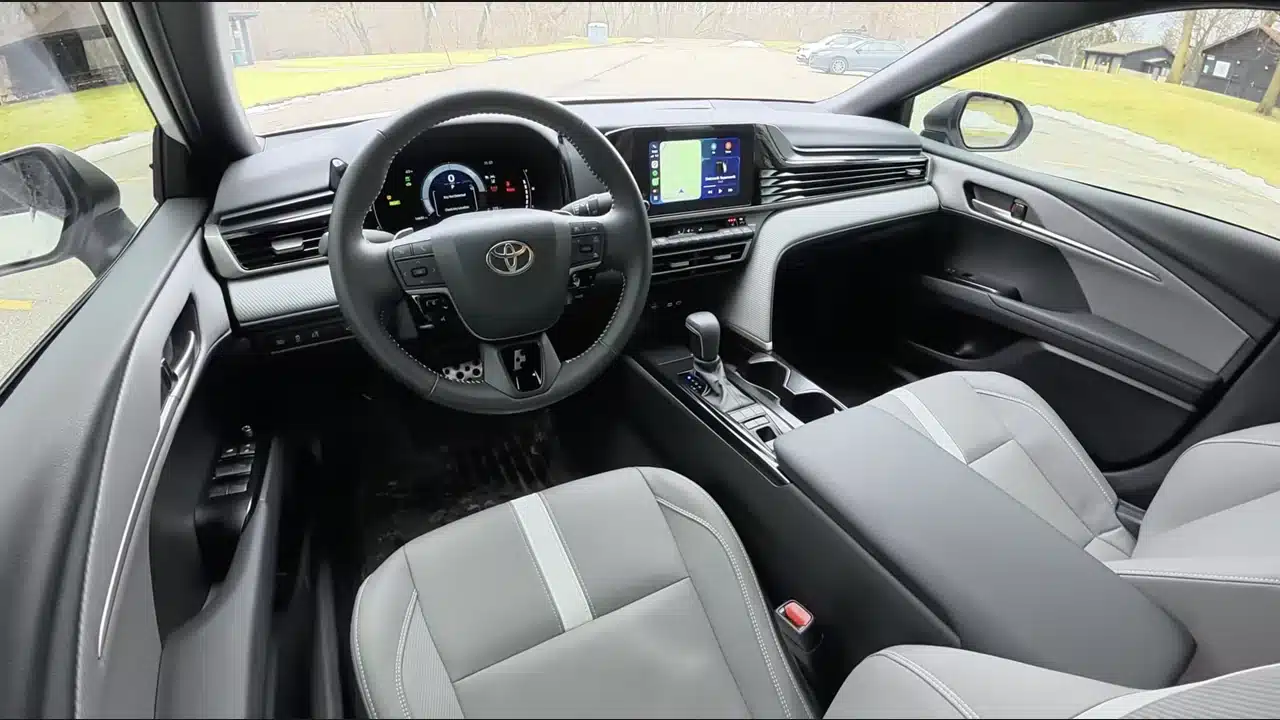
One-pedal driving is a control mode that lets the accelerator manage more of the vehicle’s slowing as you ease off it. Regeneration can operate without that mode, including when the driver uses the brake pedal. Do not assume every hybrid can come to a complete stop by releasing the accelerator.
Chevrolet’s one-pedal guidance tells drivers to continue using the brakes as needed and describes differences between its vehicles. Read the instructions for the exact car you are driving, especially when switching between a rental and your own vehicle. Be ready to use the brake pedal whenever the situation requires it.
Include brake care in the maintenance plan
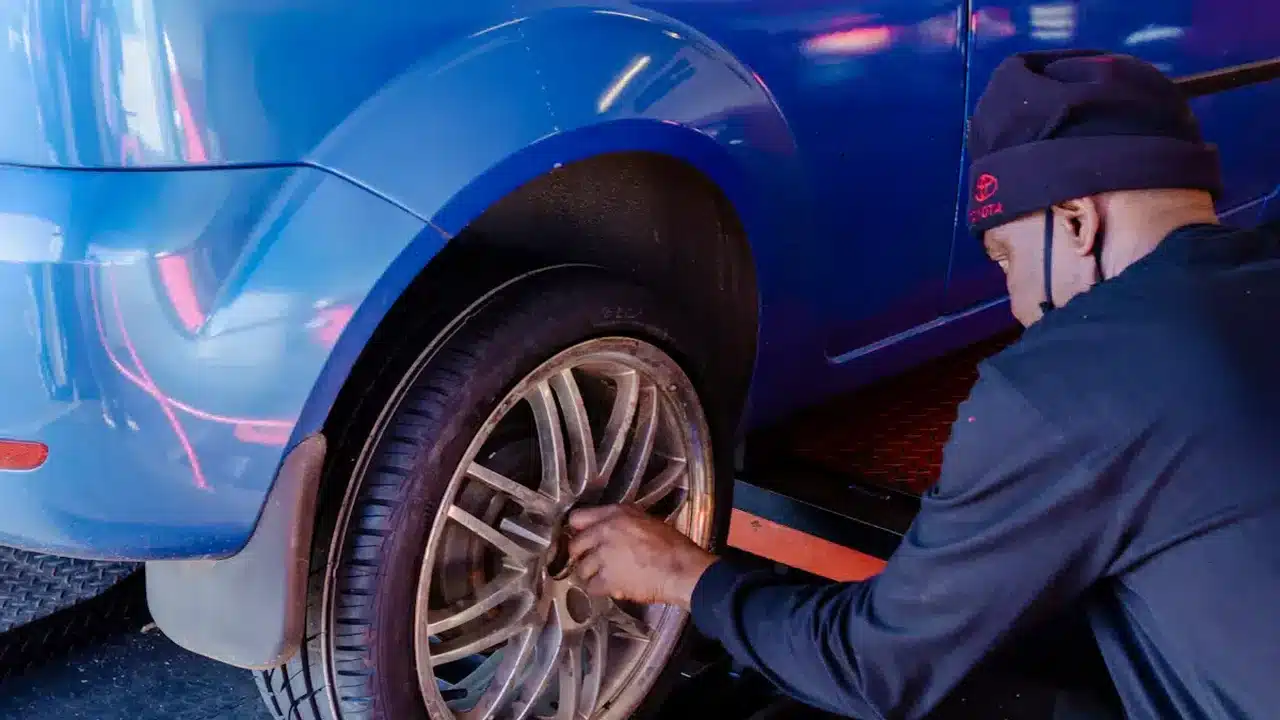
Regeneration does not cancel the vehicle’s brake inspection or fluid-service requirements. Use the manufacturer’s maintenance schedule and ask the shop to report the condition of the conventional braking components. Avoid assuming that light pedal use means there is nothing to inspect.
On a test drive, ask the salesperson to explain the available deceleration settings before you set off. Try them in a suitable, low-traffic setting and choose the permitted mode you can operate smoothly. Familiarity with the controls matters more than chasing the biggest regeneration number on the display.
Illustration: Toyota Camry cabin from Travis / yoopercharged’s owner-review video; screenshot supplied by Tim Esterdahl. The photo does not demonstrate one-pedal driving.
For a real owner’s perspective, read our Toyota Camry hybrid owner review.