
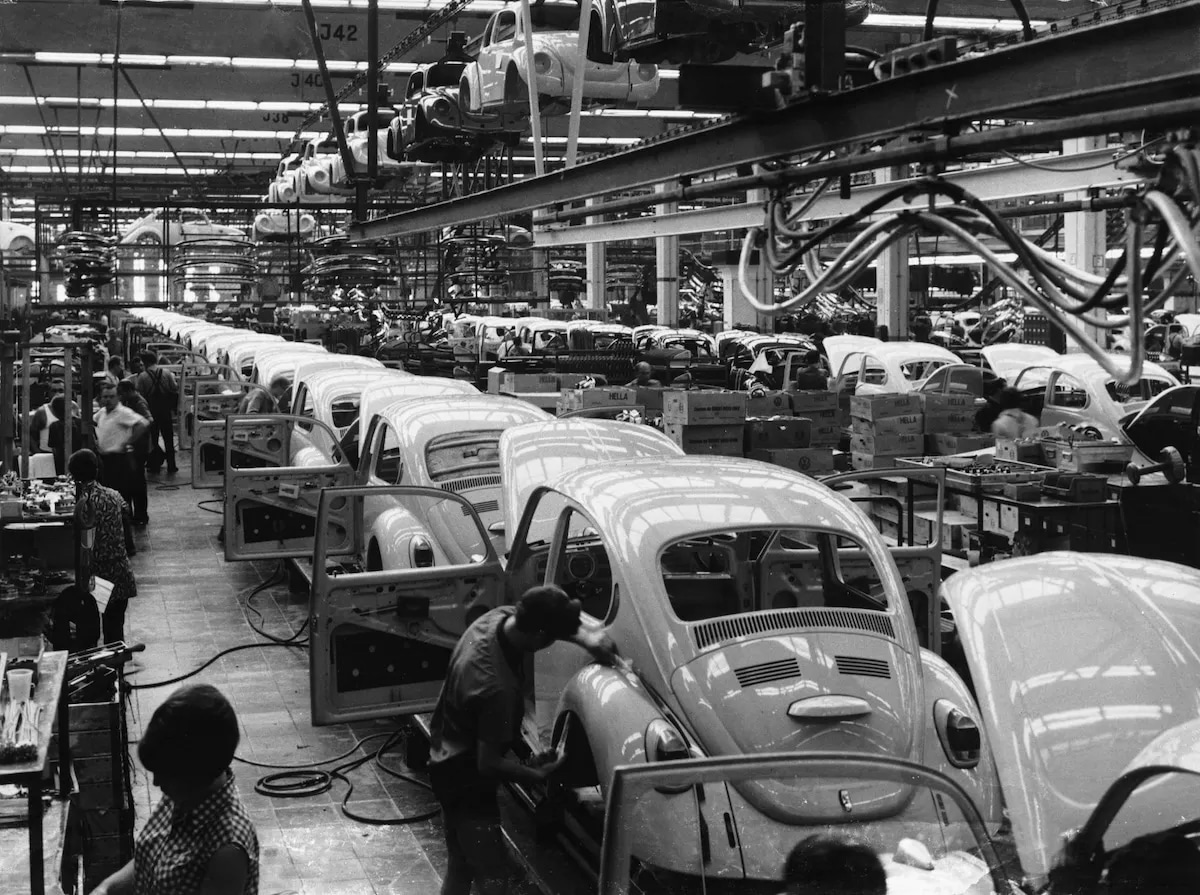
The European auto industry is facing a structural transformation. Excess factory capacity, weakening consumer demand, and a technology race that is reshaping where value is created are forcing automakers to reconsider how and where they build vehicles. The choices executives make today could determine whether Europe remains a global manufacturing powerhouse or continues to lose ground to lower-cost competitors.
For decades, the industry’s strength rested on scale: large plants, sophisticated supply chains, and millions of customers willing to pay for European engineering and brands. But Boston Consulting Group’s 2026 automotive research suggests that model is under pressure.
European Automakers Face Major Challenges
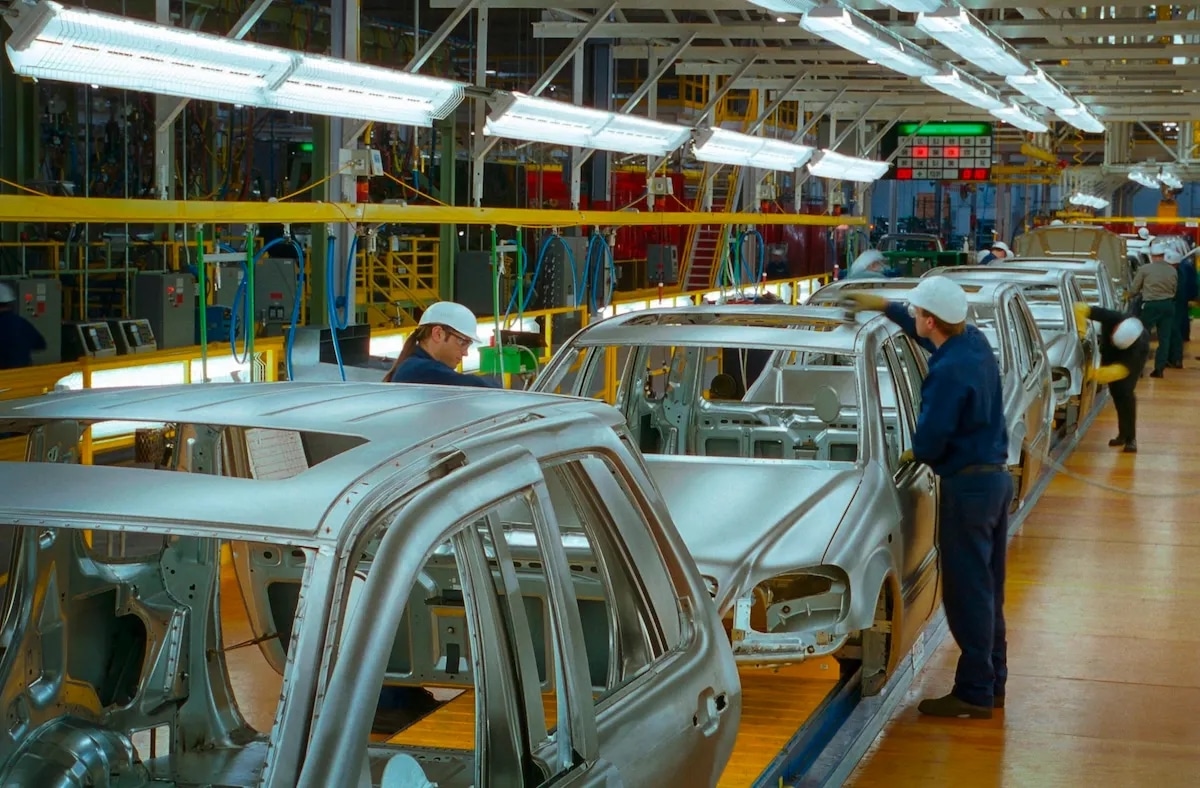
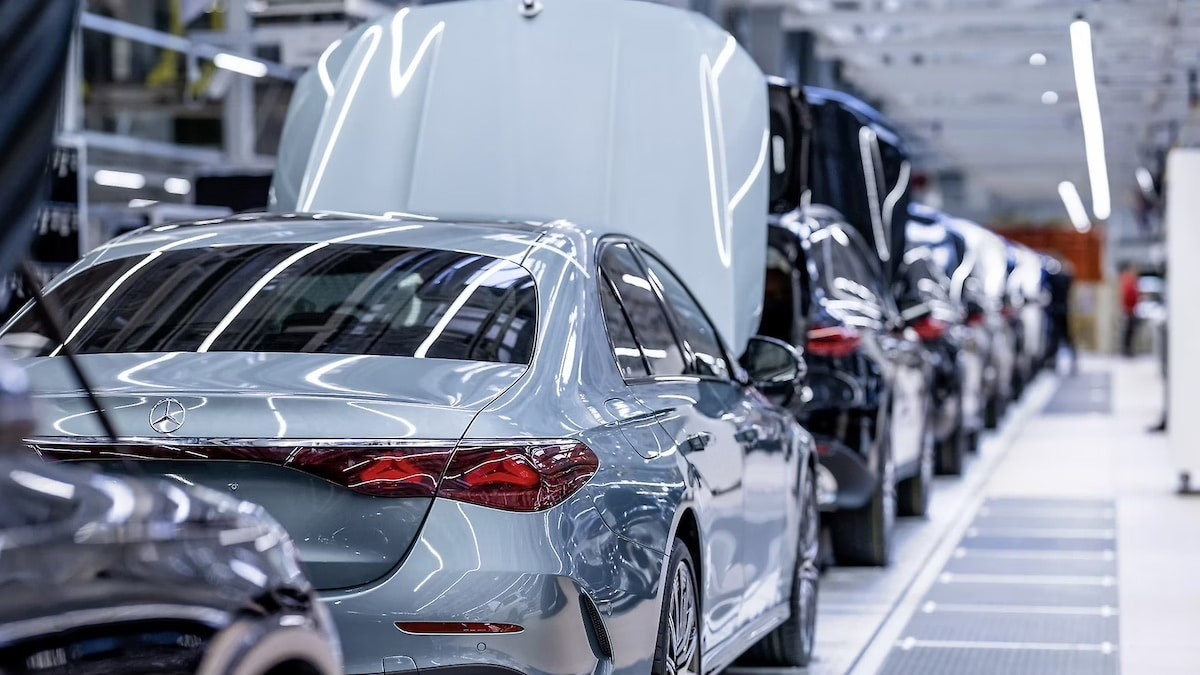
European vehicle factories are operating at roughly 60% capacity, about 20% below the industry benchmark. The result is not simply a temporary slowdown. BCG describes a structural reset, with automakers carrying roughly 20% excess production capacity, about 5.4 million vehicles worth of unused potential output, or the equivalent of 35 plants.
That creates a difficult strategic problem. Factories cannot easily be turned off, workers cannot easily be retrained, and supply networks built over generations cannot quickly be redesigned. The industry is being forced to confront a question that has challenged manufacturers before: how much capacity does the future actually require?
European Consumers Under Pressure

The pressure is arriving from multiple directions.
Consumer demand has weakened as households respond to financial strain. BCG’s consumer research found that nearly two-thirds of European consumers are currently trying to reduce consumption. At the same time, the electric vehicle transition has slowed, leaving automakers with investments made for a faster shift than the market has delivered.
European Automakers Facing More Competition
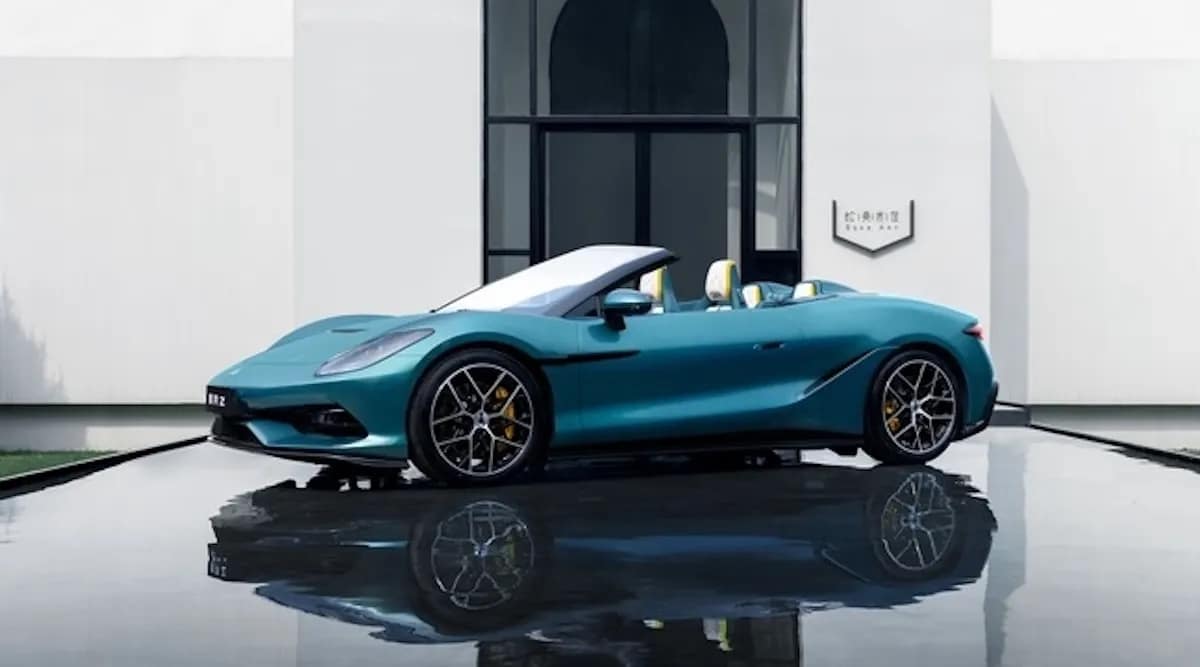
Competition is also changing. Chinese electric vehicle manufacturers are becoming a larger presence in Europe, offering lower-cost alternatives at a time when consumers are more willing to reconsider their choices. BCG’s survey found that 10% to 20% of European car buyers are open to purchasing Chinese-made vehicles, while 63% of consumers said they are willing to switch automotive brands.
For an industry built on decades of brand loyalty, that represents a major shift.
The financial pressure is spreading to suppliers. BCG’s 2026 Global Automotive Supplier Study found that seven out of ten suppliers expect profit margins below 5% during the year. Companies focused on traditional automotive components are facing a widening gap with those positioned around software and digital capabilities.
AI’s Grip On Manufacturing
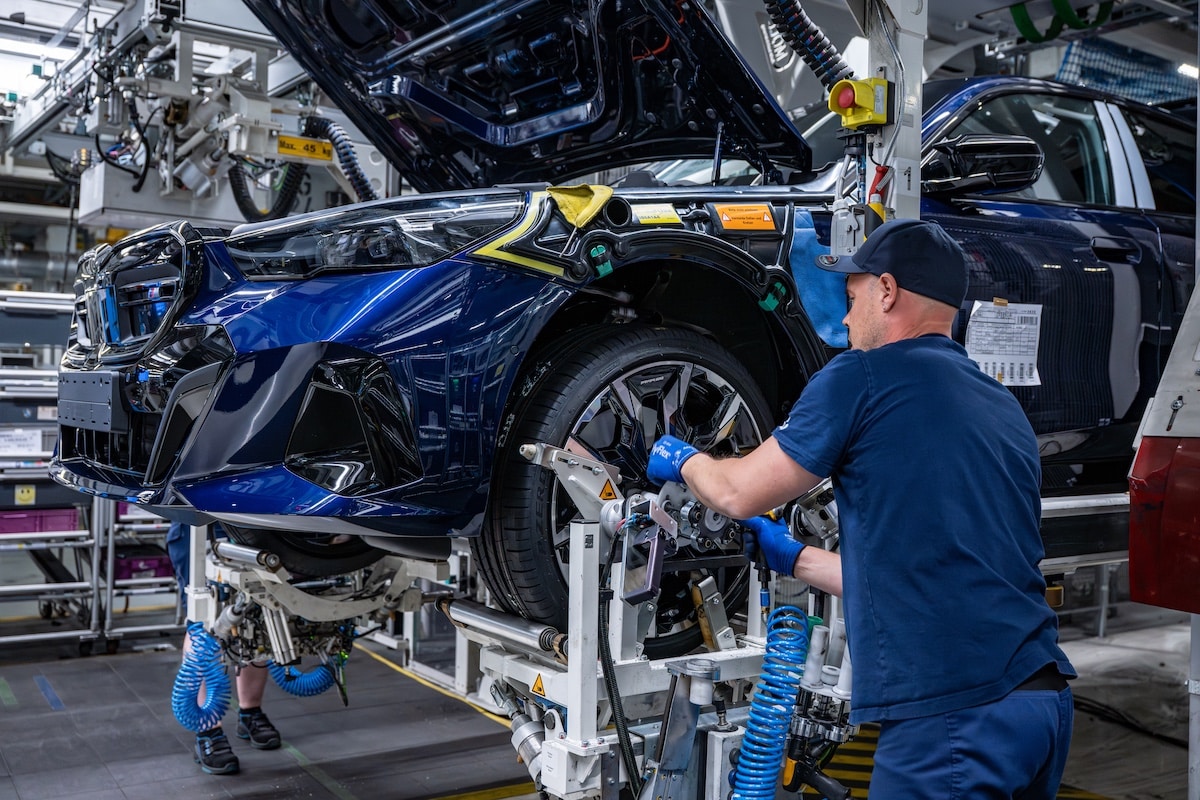
The battle is increasingly moving beyond the vehicle itself, as manufacturing technology is becoming a competitive weapon. BCG estimates that advanced manufacturing technologies could put as much as $1.03 trillion of manufacturing value at risk of relocation away from Western Europe and the Nordic region.
That raises a larger question for policymakers and executives: Can Europe maintain a high-cost manufacturing base while competing against companies using new technologies to produce cars smore efficiently?
BCG’s answer is that survival will require a fundamental transformation. Automakers will need to apply AI across their organizations while reducing structural costs that have accumulated over decades.
The Upshot
The stakes extend beyond individual companies. The automotive industry remains one of Europe’s most important industrial ecosystems, supporting manufacturers, suppliers, engineering firms, and millions of jobs. Decisions about factory footprints and investment priorities will shape not only corporate balance sheets but also the future of European manufacturing.
The next phase of the auto industry will not necessarily belong to the companies that build the most vehicles. It may belong to the companies that can adapt fastest to a world where factories, technology, and consumers are all changing at once.
This is an updated version of a column that first appeared in The Car Collective Substack.