Most people shipping a standard car in 2026 pay somewhere between $500 and $1,600. Where you land in that range comes down to distance, the type of carrier, the size of your vehicle, and when you ship. A short regional route can be as low as a few hundred dollars, whereas a cross-country move in an enclosed trailer can push past two thousand dollars. Here is what actually drives the number, with real route examples, as well as the fees to watch out for.
What Determines the Price
Four things move a car shipping quote more than anything else.
- Distance is the biggest factor, but not in a straight line. Longer routes cost more in total and less per mile, so a 2,000-mile move is not twice the price of a 1,000-mile one.
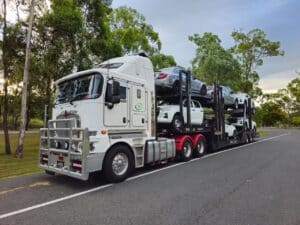
- Transport type is next. Open transport, the kind that carries most cars, is the cheapest option. Enclosed transport costs more for the protection it adds.
- Vehicle size matters because bigger vehicles take up more room and weight on the trailer. A compact sedan ships for less than a full-size SUV or a pickup.
- Timing rounds it out. Summer, snowbird season, military moving season, and college move-in all push prices up when carriers are in demand.
Sample Costs by Route
Real 2026 estimates for a some common routes, open versus enclosed shipping:
| Route | Distance | Open | Enclosed |
| North Carolina to Florida | ~600 mi | $600–$850 | $900–$1,200 |
| California to Texas | ~1,400 mi | $900–$1,200 | $1,300–$1,700 |
| New York to Florida | ~1,300 mi | $1,100–$1,450 | $1,500–$1,950 |
| Pennsylvania to Texas | ~1,500 mi | $1,000–$1,300 | $1,400–$1,800 |
| Illinois to California | ~2,100 mi | $1,200–$1,550 | $1,600–$2,100 |
| Georgia to California | ~2,200 mi | $1,300–$1,650 | $1,700–$2,200 |
Estimates for operable, standard-size vehicles on standard timelines.
Cost by Distance
If you would rather think in tiers than routes:
Local moves under 200 miles typically run $100 to $500. Short distances carry the highest per-mile rate, so the total can feel high for how far the car travels.
Regional moves of 200 to 1,000 miles generally land between $300 and $1,200, covering most trips between neighboring or nearby states.
Cross-country moves over 1,000 miles usually fall between $600 and $2,500, depending on the exact route, the season, and whether you go open or enclosed.
Cost by Vehicle Size
Size changes the number too. As a rough guide on standard routes:
A sedan ships for roughly $800 to $2,700 depending on distance and carrier type. A midsize SUV runs closer to $900 to $3,000 for the same routes. A full-size pickup, which eats the most space and weight, tends to cost $1,000 to $3,500. Lifted or oversized vehicles cost more still, since they take up extra room and limit which trailers can carry them.
Open vs Enclosed
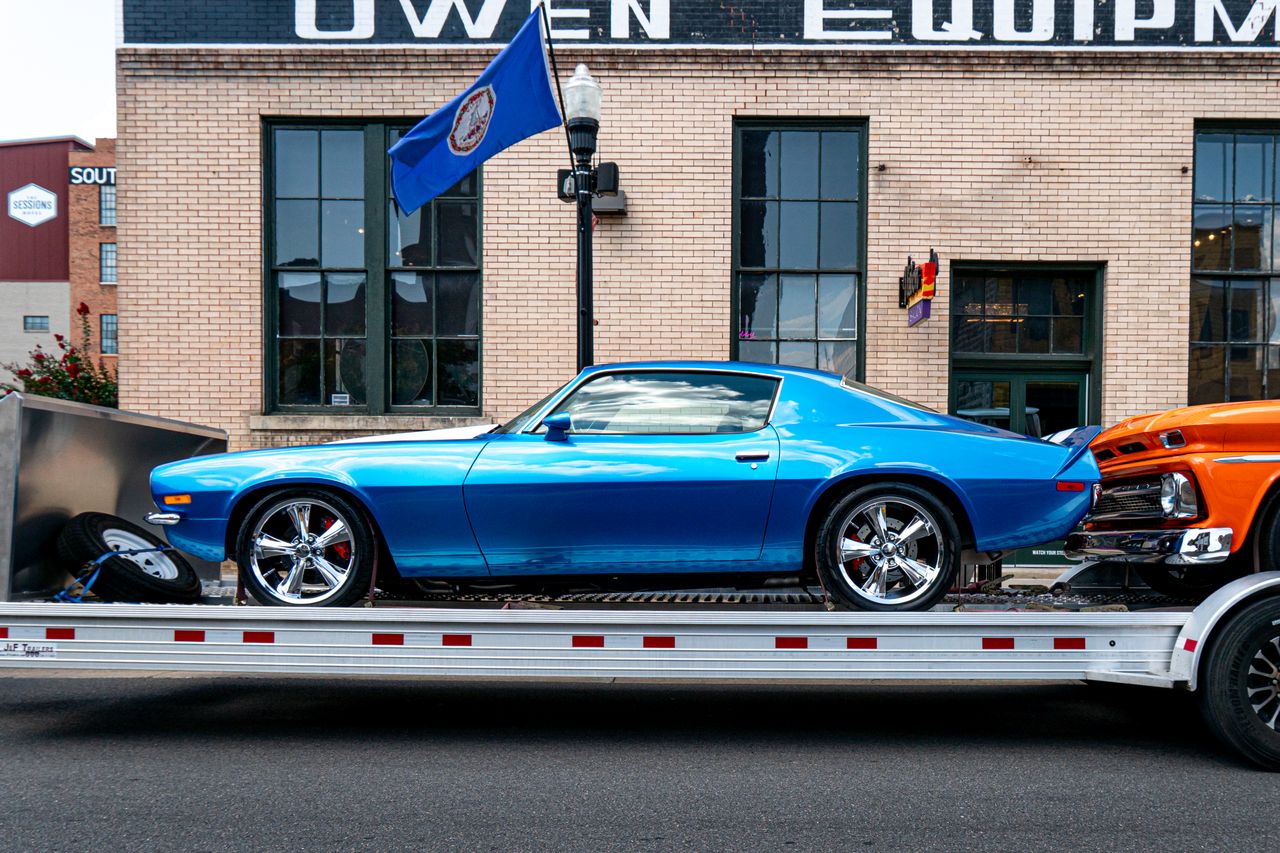
The single biggest lever you control is open versus enclosed. Open transport is what most cars ship on; it is cheaper, widely available, and safe for everyday vehicles. Enclosed transport is typically 30 to 60 percent more expensive, but it can be worth it for high-value or rare cars: low-mileage, collectible, luxury, antique, or anything you would rather not expose to weather and road debris. For a daily driver, open is almost always the right call.
Hidden Fees to Watch For
The quote you accept should be the price you pay. Watch for extras that surface after a lowball number: fuel surcharges added after booking, residential pickup or delivery fees for hard-to-reach addresses, inoperable-vehicle fees if the car does not run and needs a winch, and the most common one, a price that climbs closer to pickup after a suspiciously low opening quote.
A reputable company gives you an all-inclusive number and holds it. Before you book, ask one question: is this price final and guaranteed?
Is It Cheaper to Ship a Car or Drive It?
For a long-distance move, shipping is often closer to driving than people might expect, once you add up the hard costs of doing it yourself: gas, meals, hotels, and of course the wear and tear on the car itself, in addition to the time you have to spend behind the wheel. Driving may be preferrable on a short trip, but on a long one, especially coast to coast, shipping frequently comes out even or ahead, and you arrive without 2,000 extra miles on the odometer.
How to Pay Less
A few things reliably bring the number down. Stay flexible on dates; the tighter your pickup window, the more you pay, while open timing gives carriers room to fit you in at a better rate. Book ahead rather than last minute. Choose open over enclosed unless the car truly needs the cover. Get quotes from a few companies and compare what is actually included, not just the headline price. And ask about discounts; military, student, and repeat-customer deals are common.
Getting an Accurate Number
Route tiers and averages get you in the ballpark, but the only way to know your price is to run your actual route, vehicle, and dates. RoadRunner Auto Transport has been shipping vehicles for more than 30 years, quotes an all-inclusive price with no deposit required, and provides real numbers nearly instantly through its car shipping cost calculator. Start there, compare it against a couple of others, and you will know quickly what your shipment should cost.
Car shipping pricing is not as opaque as it first looks. Once you know your distance tier, your carrier type, and your vehicle size, you can predict the range before you ever request a quote, and spot the outliers that are too good to be true.