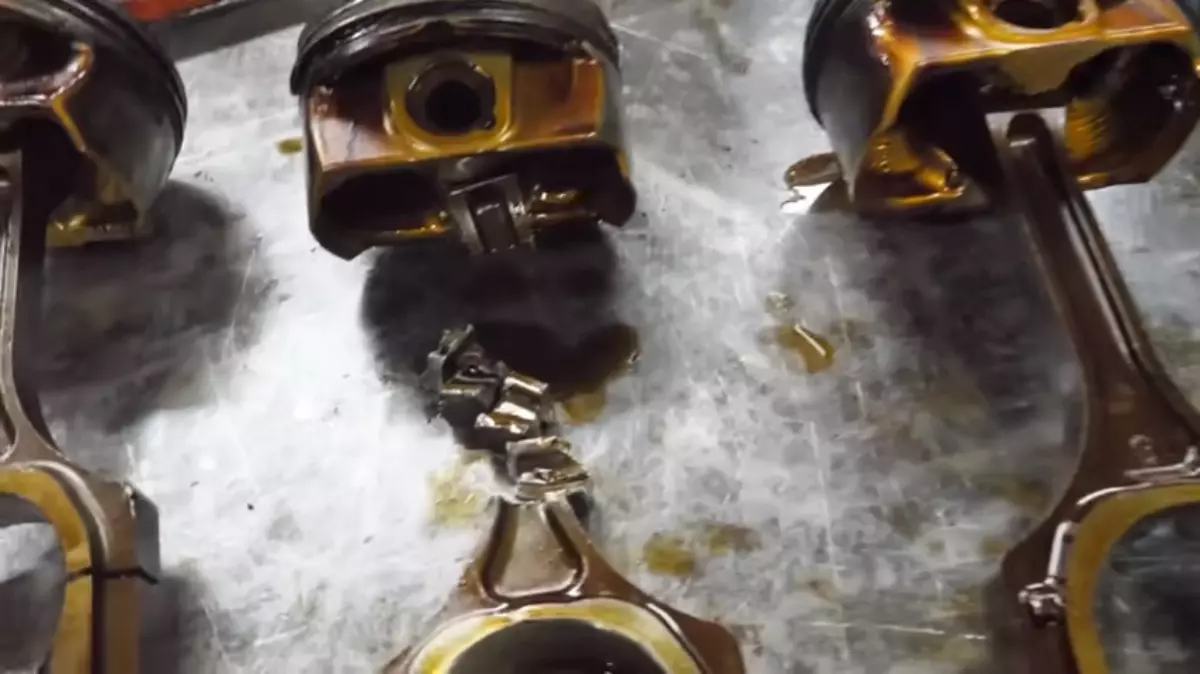
Few modern engines have generated as much controversy as Hyundai’s Theta II four-cylinder. Used in millions of Hyundai and Kia vehicles, the engine became the focus of recalls, lawsuits, government investigations and engine replacements. Teardown videos show the bearing damage left behind, while official recall filings explain how manufacturing defects could restrict oil flow and lead to failure.
The problems discussed here concern specific Theta II applications and production periods. Sharing an engine-family name does not mean every vehicle has the same defect or qualifies for the same recall.
What Manufacturing Defects Did the Recalls Identify?
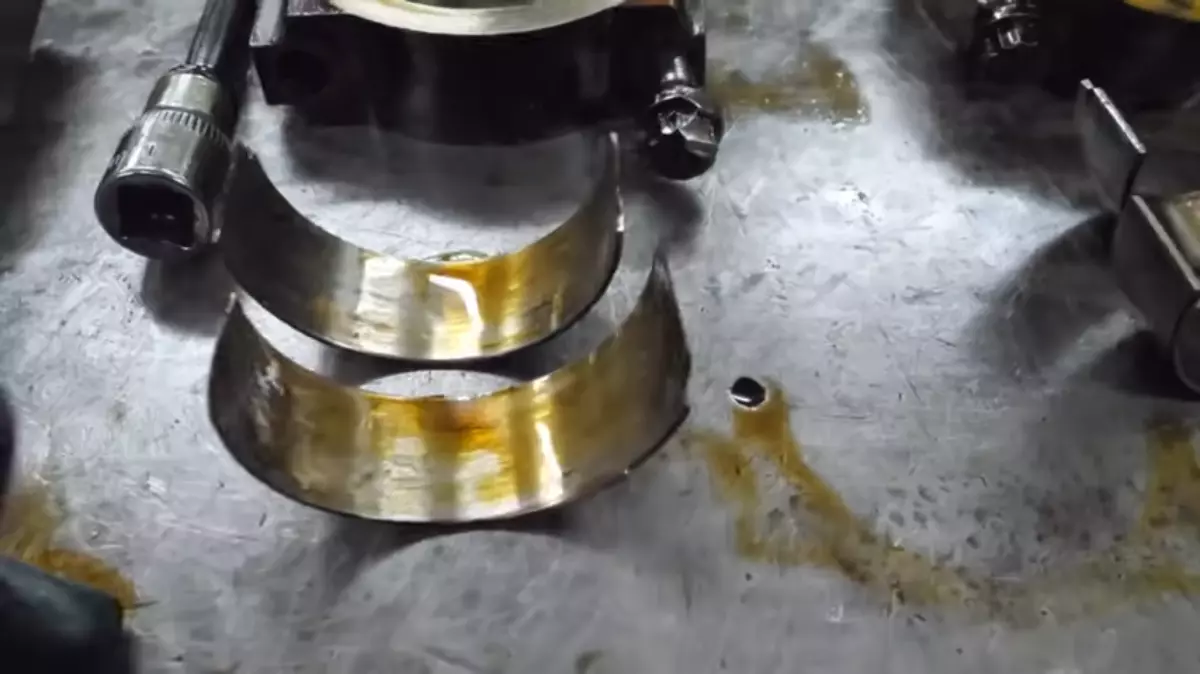
According to filings with the National Highway Traffic Safety Administration (NHTSA), machining debris could remain in crankshaft oil passages after manufacturing. Hyundai’s 2015 Sonata recall described debris left after machining and cleaning. Kia’s 2017 recall filing also identified uneven crankpin surface roughness.
The debris, sometimes called swarf, could restrict oil flow to the connecting-rod bearings. Without enough lubrication, bearing temperatures and wear can increase, potentially causing the engine to seize.
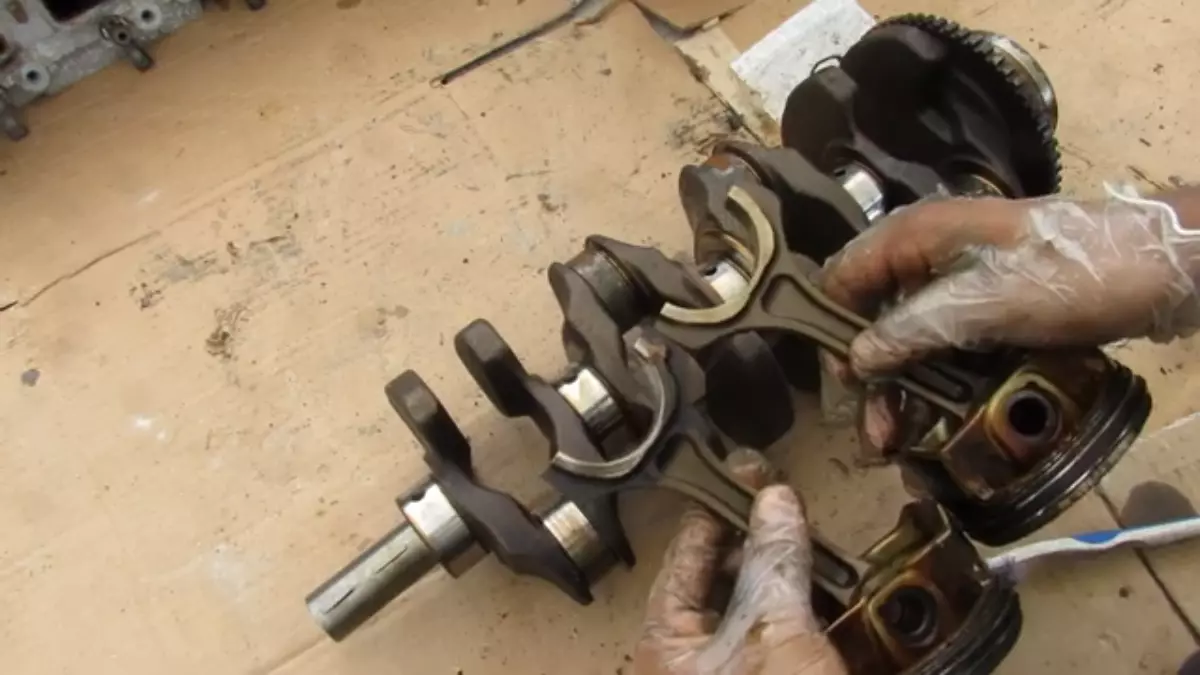
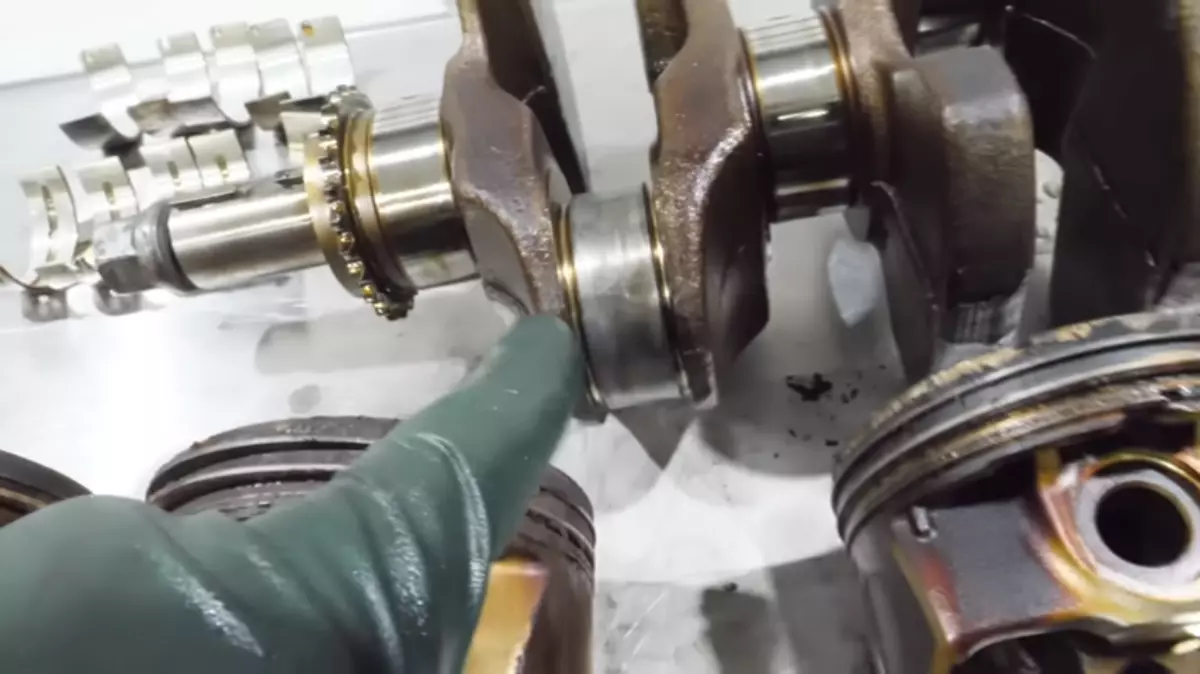
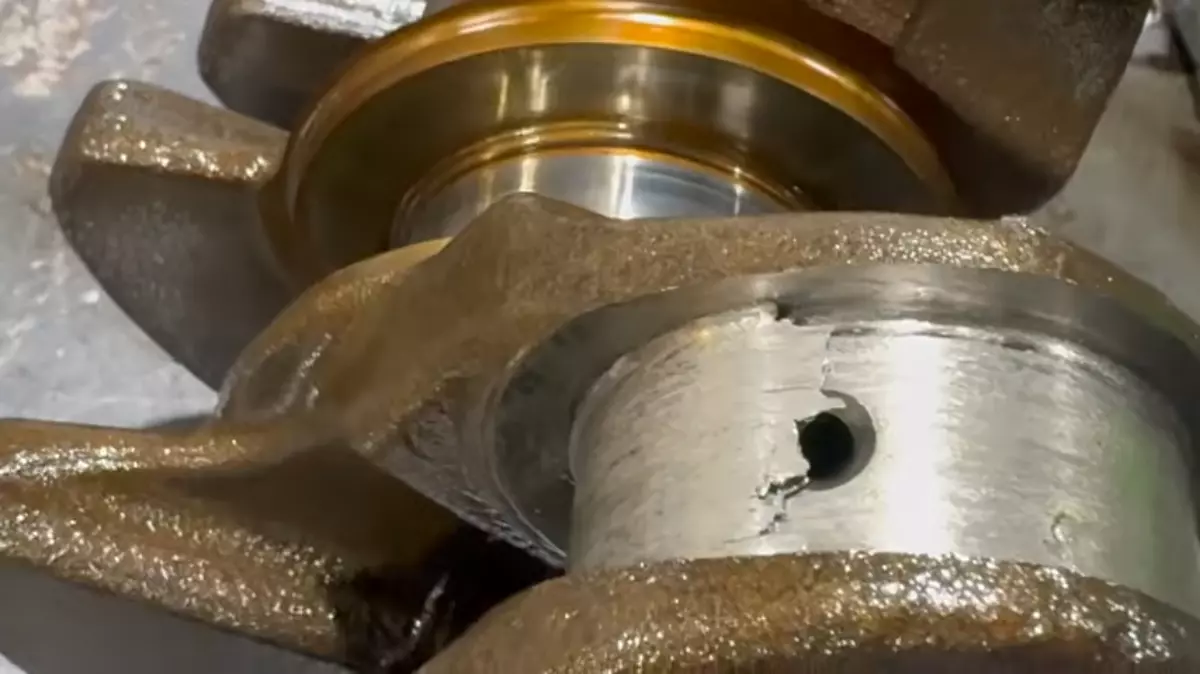
Independent teardown channels, including I Do Cars and speedkar99, have documented severe bearing damage in failed Theta II engines. Four videos from the I Do Cars YouTube channel (1, 2, 3, 4) and a speedkar99 teardown illustrate the damage. A damaged bearing alone, however, does not establish the root cause of every engine failure.
Bearings rely on an extremely thin film of pressurized oil that separates moving metal surfaces. Even microscopic contamination can damage that oil film, allowing metal-to-metal contact that rapidly accelerates wear.
When lubrication fails, friction and heat can damage the bearing surfaces. A bearing shell may spin out of position or seize against the crankshaft, leading to further damage.
Connecting-rod bearings separate the connecting rods from the crankshaft journals; the pistons do not run directly against the crankshaft. As bearings wear, excessive clearance can contribute to low oil pressure. Knocking or an oil-pressure warning can signal trouble, but symptoms and their order vary.
Oil starvation and the damage it causes can reinforce each other as worn components shed additional material into the engine.
When debris clogs oil passages, the resulting loss of lubrication can damage bearings and other moving parts. The recall filings identify restricted oil flow and premature bearing wear as key steps in the failure process.
Routine maintenance cannot remove an original manufacturing defect. Owners should still follow maintenance requirements and complete applicable recalls and service campaigns. The controversy also centered on how promptly the companies identified, reported and addressed the problems.
Which Vehicles Were Included in the Theta II GDI Settlement?
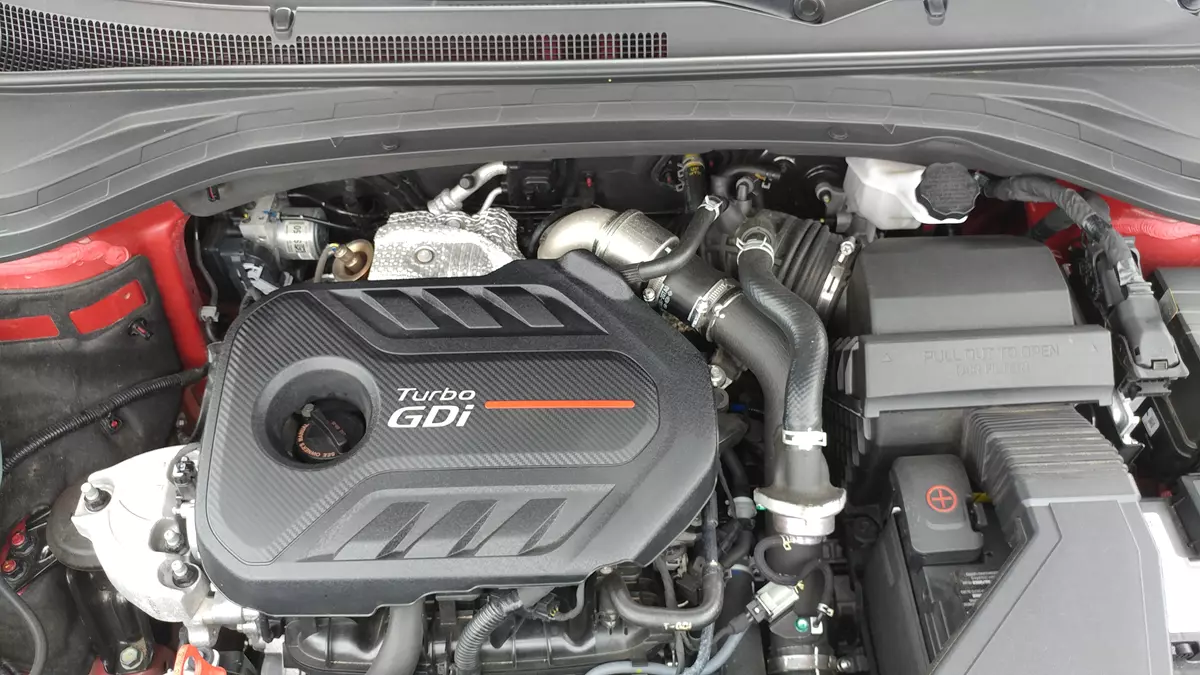
Theta II includes several engine configurations. Hyundai introduced its 2.4-liter gasoline direct-injection (GDI) version in the 2011 Sonata, which also offered a 2.0-liter turbocharged GDI engine. Engine type, model year and market matter when checking a vehicle’s eligibility for a recall or settlement.
The automakers’ 2019 U.S. Theta II GDI settlement announcement listed the following vehicles with qualifying 2.0-liter or 2.4-liter GDI engines. This is a settlement list, not a complete list of every Theta II application or a guarantee that each vehicle has an open recall:
- 2011–2019 Hyundai Sonata
- 2013–2018 Hyundai Santa Fe Sport
- 2019 Hyundai Santa Fe
- 2014–2015 and 2018–2019 Hyundai Tucson
- 2011–2019 Kia Optima
- 2011–2019 Kia Sorento
- 2011–2019 Kia Sportage
Theta II Recalls and Lawsuits
Hyundai recalled certain 2011–2012 Sonata vehicles under campaign 15V-568 in 2015. In 2017, Hyundai expanded coverage through 17V-226, and Kia issued 17V-224 for certain Optima, Sorento and Sportage vehicles. NHTSA opened investigations into the timeliness and scope of the companies’ recalls in 2017.
The affected model years and remedies differ by campaign. Owners should check their individual vehicle rather than assume that every Hyundai or Kia engine recall concerns the same defect.
A whistleblower provided information that helped NHTSA investigate the Theta II problems. In November 2020, NHTSA announced consent orders totaling $210 million: $140 million for Hyundai and $70 million for Kia. Those totals included upfront payments, required safety investments and deferred penalties; they were not all immediate cash fines. NHTSA said both companies had conducted untimely recalls and reported some information inaccurately.
U.S. litigation also resulted in settlements offering benefits such as qualifying repair reimbursements and warranty extensions. The official Hyundai and Kia settlement websites explain the covered vehicles, eligibility requirements and deadlines. A recall and a settlement are separate programs, and their coverage may differ.
The controversy extended beyond the mechanical failures. NHTSA’s findings raised questions about the speed and accuracy of the companies’ response, while owners faced the disruption of engine inspections, repairs or replacements.
Is Your Hyundai or Kia Affected by Theta II Recalls?
Start with NHTSA’s recall lookup page and enter your vehicle identification number (VIN) or license plate. Then ask a Hyundai or Kia dealer to check for applicable service campaigns and warranty coverage. A result showing no open recalls does not by itself establish whether an engine warranty extension applies.
Hyundai and Kia have extended coverage for certain engine repairs through settlements and warranty programs. Eligibility depends on the vehicle and the program’s terms. Owners experiencing bearing noise or excessive oil consumption should contact a dealer to determine coverage before authorizing repairs elsewhere.
Do not assume that a newer vehicle or a different version of the Theta II has the same defect as the engines described in the early recalls. Confirm the engine and VIN against the specific campaign.
Common Theta II Failure Symptoms
Possible warning signs include the following. These symptoms are not unique to Theta II engines and require diagnosis:
- Metallic knocking at idle
- Rod knock under acceleration
- Low oil pressure
- Oil pressure warning light
- Check-engine light
- Engine entering limp mode
- Sudden loss of power
- Engine seizure