
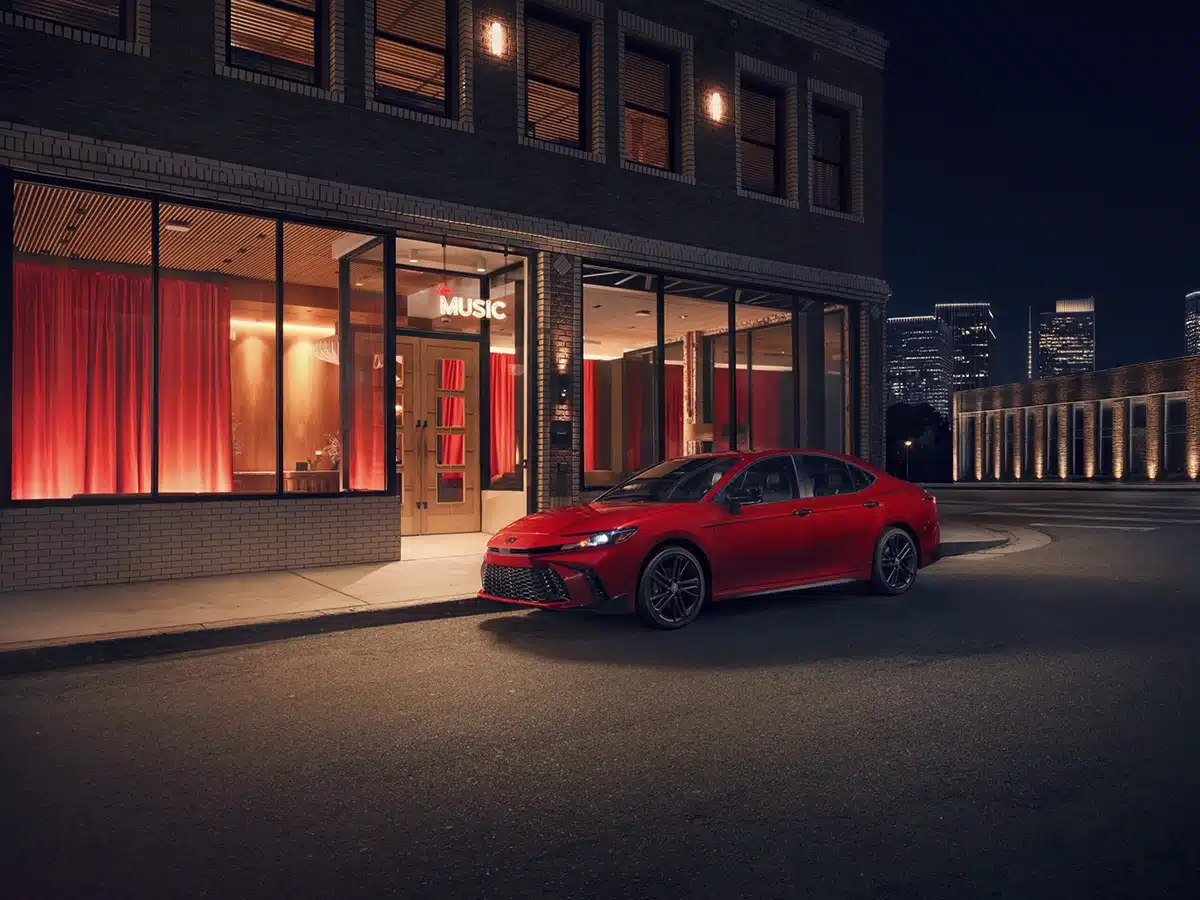
Every car buyer has fantasies.
Maybe it’s a snarling Italian sports sedan painted the color of fresh arterial bleeding. Maybe it’s a German performance coupe engineered by obsessive Bavarians who view comfort as a character flaw. Maybe it’s a rumbling American V8 capable of turning premium fuel into noise and tire smoke with equal enthusiasm. Then reality arrives carrying a mortgage statement, a grocery list, two children, rising insurance premiums, and the vague understanding that reliability is actually a feature.
That’s when people buy a Toyota Camry. The 2026 Toyota Camry’s reputation for quality, safety, and reliability was earned over decades by owners who simply needed transportation that would start every morning, survive every commute, and demand little more than routine maintenance in return.
Looking Good
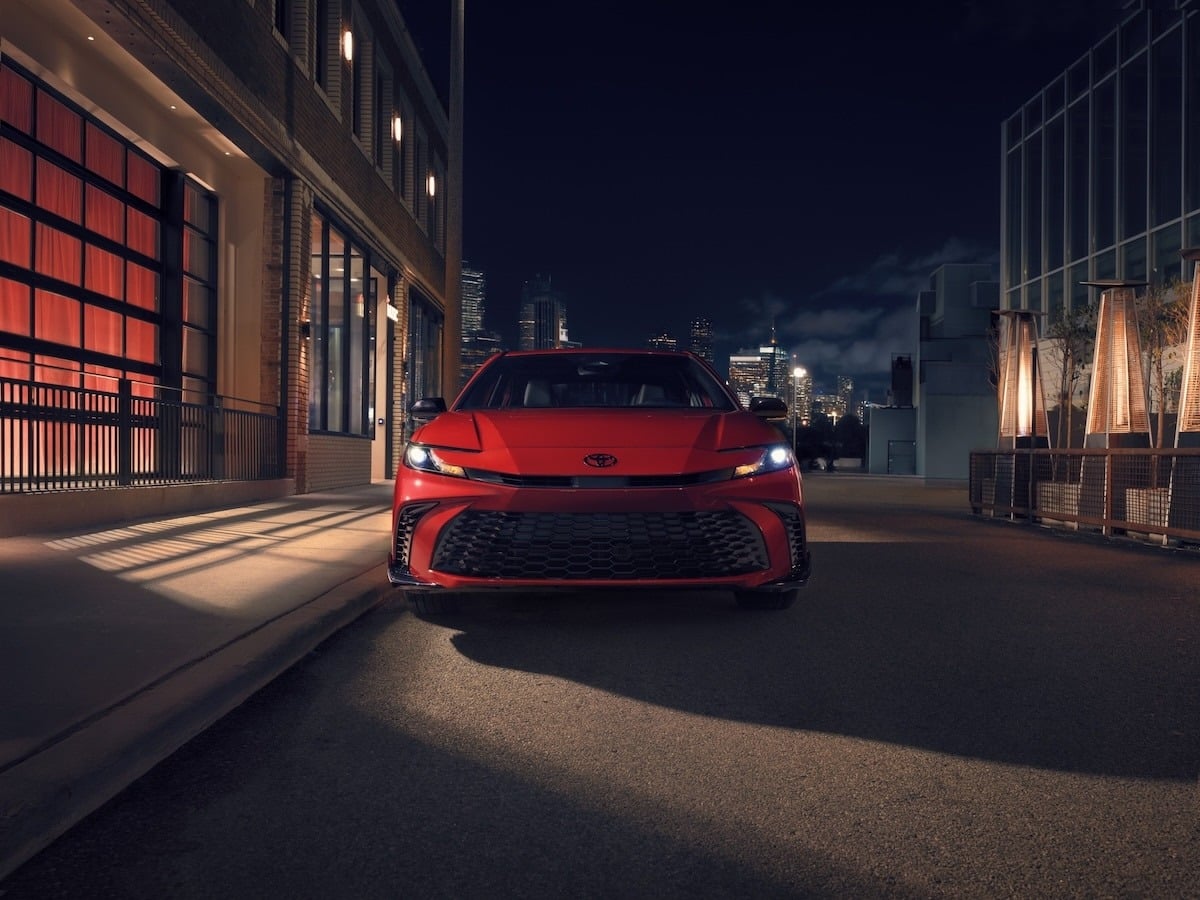
2026 Toyota Camry’s new proboscis is a huge improvement from the 2024 model. (Photo courtesy of Toyota)
Redesigned for the 2025 model year, the Camry’s most dramatic wardrobe change appear up front, where it adopts a cleaner, more sophisticated interpretation of Toyota’s current design language that bears a family resemblance to the latest Prius.
Gone is the oversized grille that resembles a kabuki mask. The new design looks contemporary, confident, and considerably more expensive than its price tag suggests.
For 2026, the Camry gets a Nightshade model based on the SE. It uses the same sport suspension, but dressed for a blackout. It also gets Midnight Black Metallic trim, gloss-black badges, and 19-inch wheels that look like they skipped the chrome buffet.
The 2026 Toyota Camry’s Updated Tech
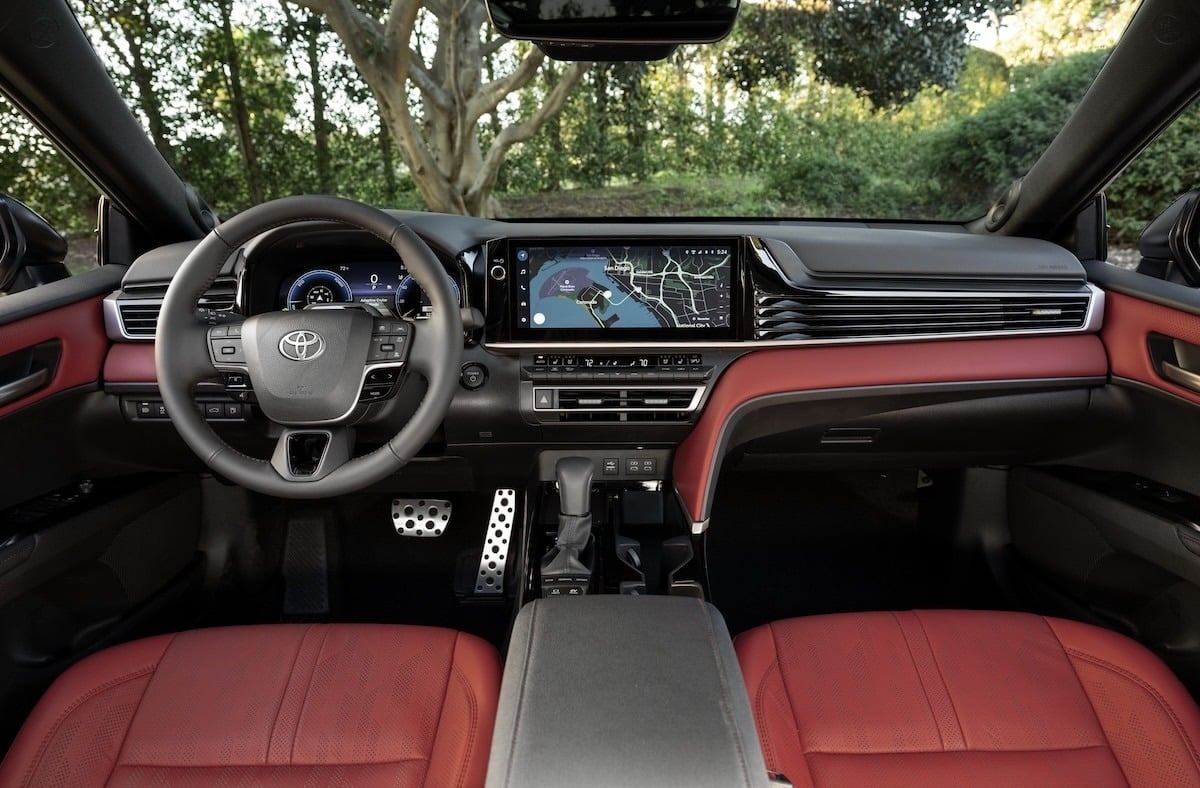
2026 Toyota Camry XSE comes with a larger infotainment touchscreen. (Photo courtesy of Toyota)
Inside, the cabin receives a thoroughly revised dashboard centered around a cleaner, more modern layout. LE and SE models receive a seven-inch digital instrument cluster, while XLE and XSE trims upgrade to a 12.3-inch display. An eight-inch infotainment touchscreen is standard, with a larger 12.3-inch unit standard on top trims.
They run on Toyota’s dramatically improved software. Menus are clearer, responses are quicker, and the overall user experience feels designed by people who have actually used smartphones in this century. Wireless Apple CarPlay, wireless Android Auto, and Qi wireless charging come standard across the lineup. Blind-spot monitoring with rear cross-traffic alert is also included, while a 10-inch color head-up display remains available on upper trims.
The Camry’s Comfy Cabin
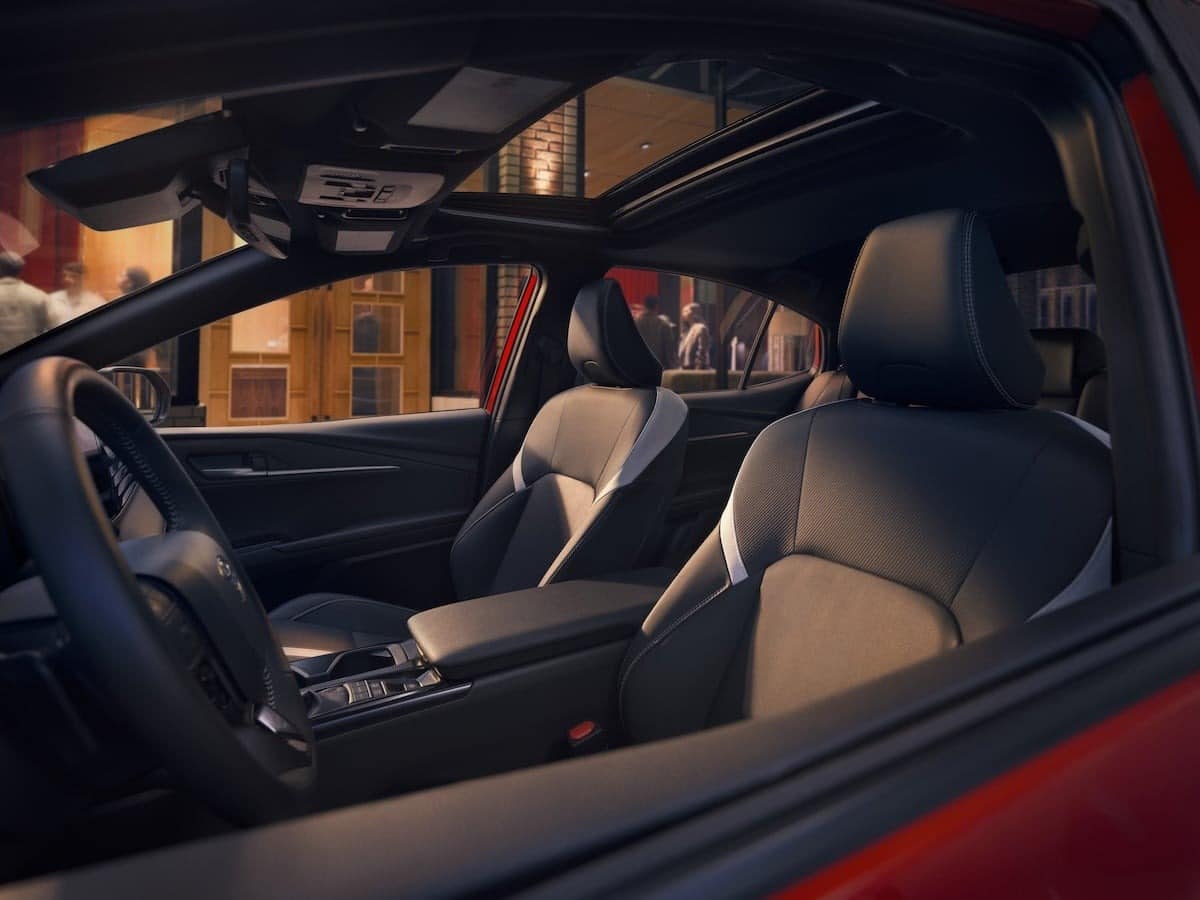
2026 Toyota Camry’s spacious front seats. (Photo courtesy of Toyota)
The rest of the cabin continues the Camry tradition of sensible comfort. Dual-zone climate control, rear-seat air vents, humidity management, and a six-speaker audio system are standard. Buyers seeking more acoustic enthusiasm can opt for a nine-speaker JBL premium audio system complete with amplifier and subwoofer.
And yes, the back seat remains remarkably accommodating.
Five adults fit comfortably, provided the front passenger remembers that civilization is built on compromise and refrains from reclining into the rear occupants’ personal space.
Under The 2026 Toyota Camry’s Hood
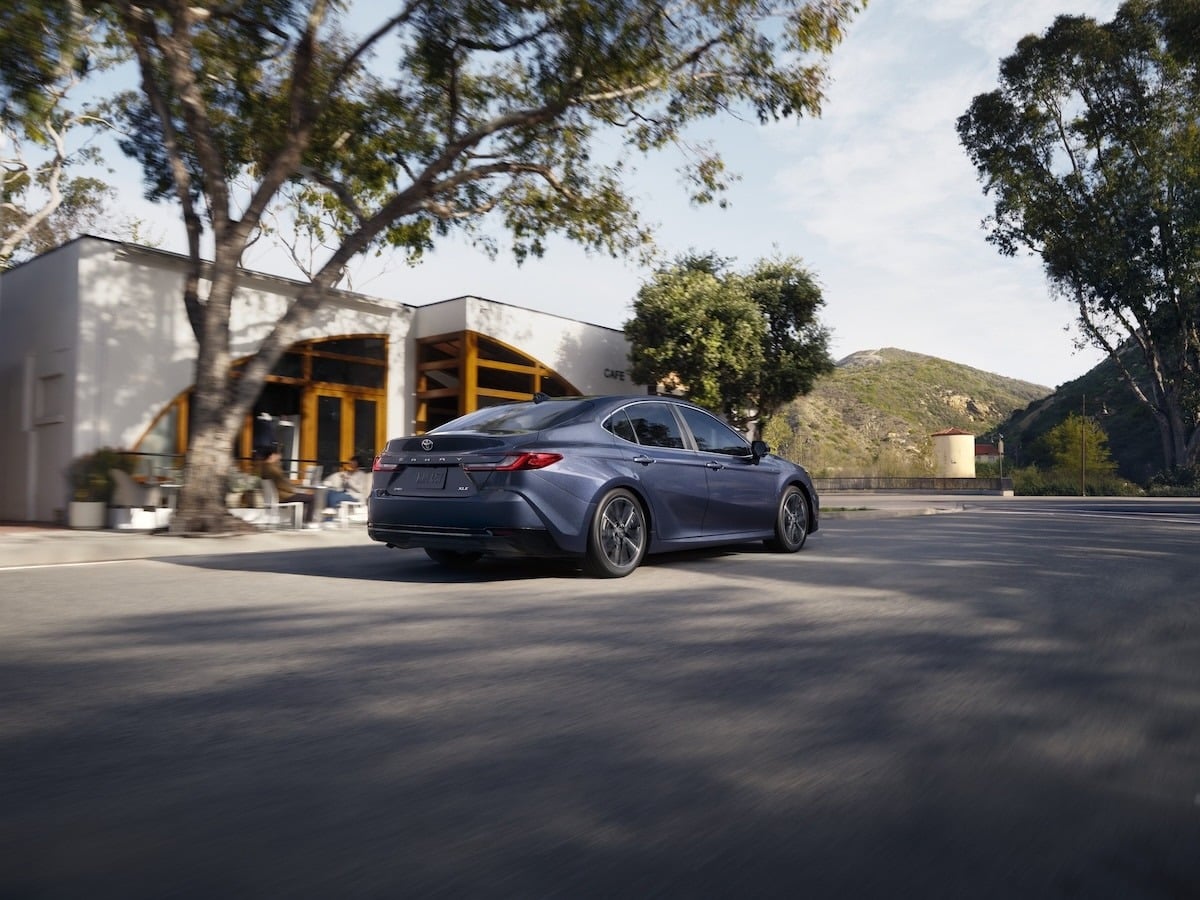
While no sports sedan, the 2026 Toyota Camry feels unexpectedly lively for a family car. (Photo courtesy of Toyota)
Every 2026 Camry comes with a 2.5-liter four-cylinder engine with two electric motors that supply 225 horsepower to the front wheels. Buyers wanting all-wheel drive can have it on every trim level, gaining a third electric motor mounted on the rear axle and nudging total output up by another seven horsepower.
On paper, seven horsepower doesn’t sound like much. In practice, the additional rear motor gives the all-wheel-drive Camry a more planted and surprisingly energetic character. It’s not exactly auditioning for a role in the next street-racing movie franchise, but it feels more eager and composed than one might reasonably expect from a family sedan whose primary mission is carrying people to Costco.
How The 2026 Toyota Camry’s Handles
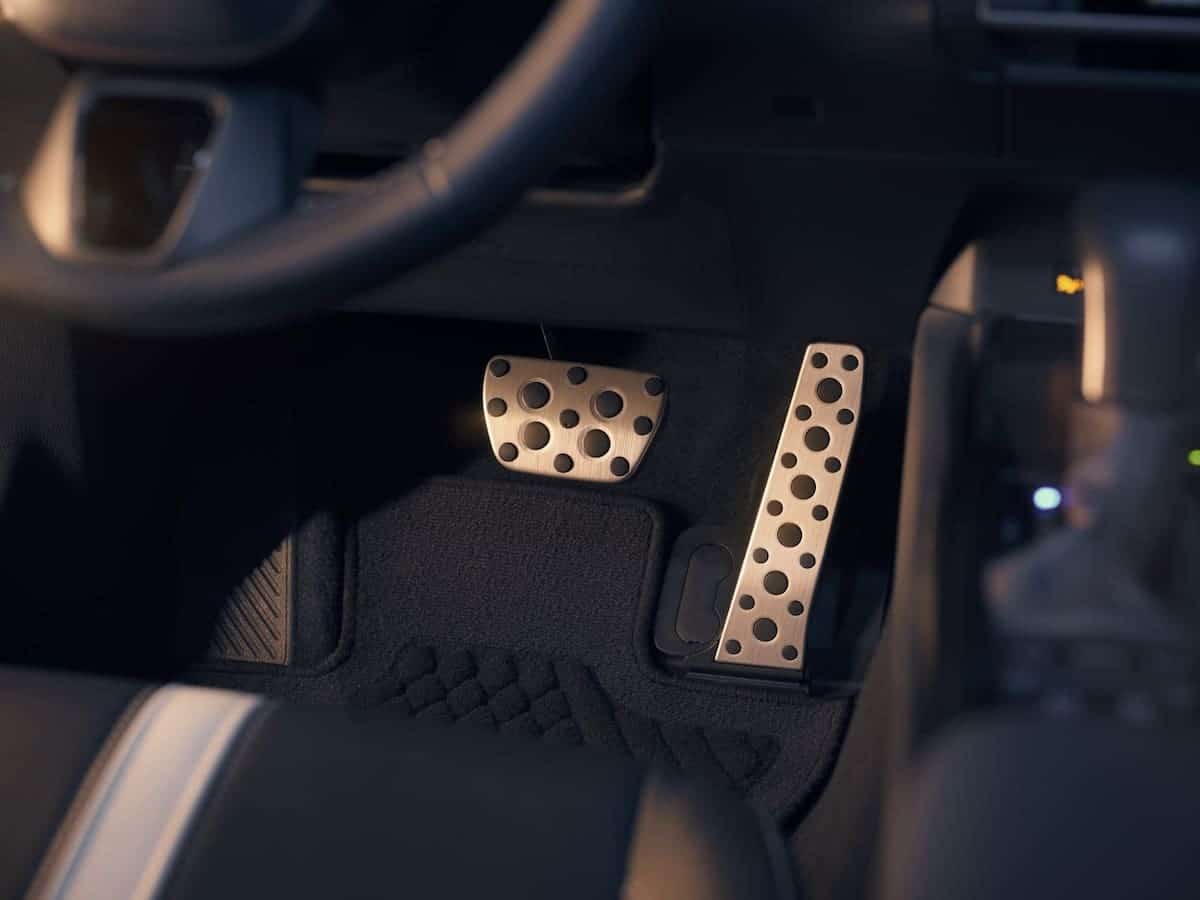
2026 Toyota Camry’s new Nightshade model’s pedals overstate this car’s sportiness. (Photo courtesy of Toyota)
Toyota continues offering the Camry in comfort-oriented LE and XLE trims, as well as sportier SE and XSE variants. All models benefit from revisions to the suspension, which retains its MacPherson strut front and multi-link rear architecture. The SE and XSE receive unique tuning, revised dampers, and a larger front stabilizer bar.
The differences are noticeable.
The sportier models feel more disciplined and athletic than their comfort-focused siblings. Body motions are better controlled, turn-in is sharper, and the overall experience is more engaging. Yet Toyota wisely resisted the temptation to transform the Camry into something it isn’t. The steering remains accurate but never particularly communicative. It lacks the heft and nuanced feedback found in genuine sports sedans. Likewise, while the hybrid system is more responsive than before, it doesn’t possess the effortless surge or charismatic soundtrack of the departed V6.
Drivers seeking excitement still need to press the accelerator with determination to extract maximum performance. The Camry responds capably enough, but never enthusiastically. That’s not a flaw. It’s simply honesty.
The Upshot
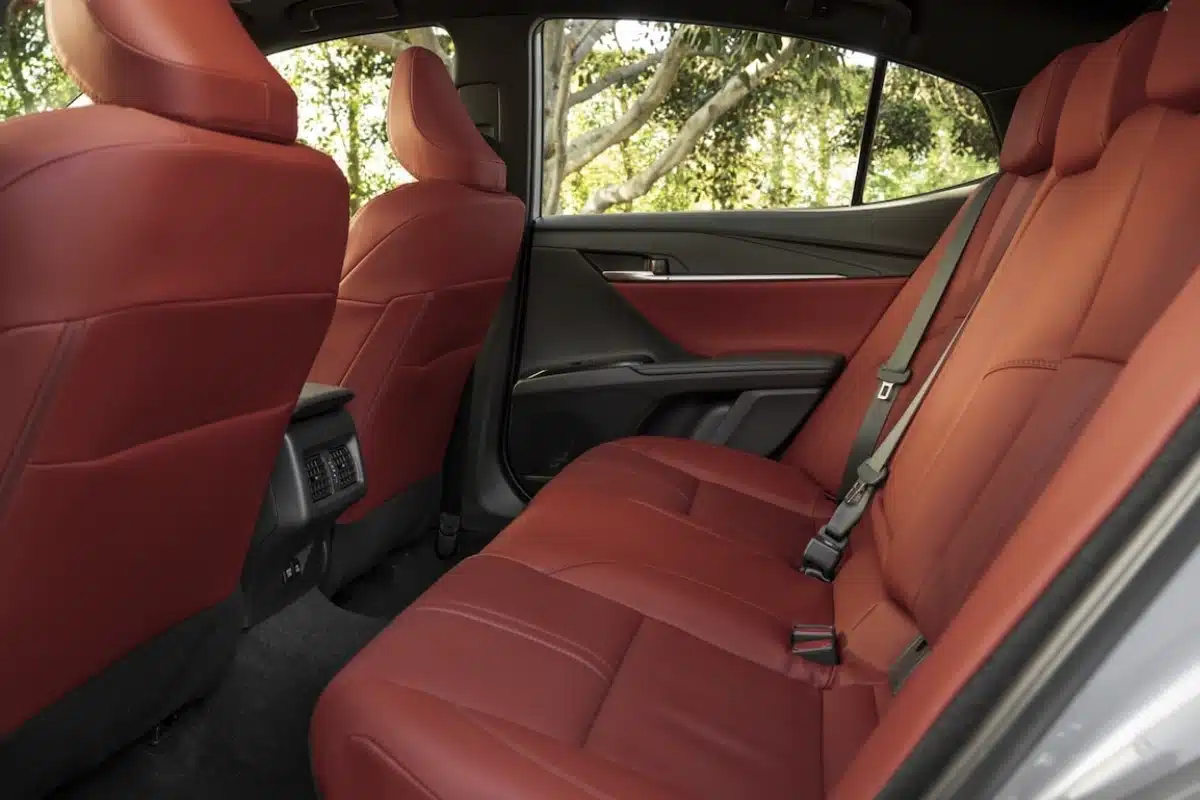
The 2026 Toyota Camry XSE offers a fairly roomy rear seat. (Photo courtesy of Toyota)
In reality, the Camry exists to serve. The Fast & Furious crowd may dismiss it. Aging sports-car enthusiasts may scoff while polishing machinery that spends more time on battery tenders than highways. Meanwhile, Camry owners quietly enjoy dependable transportation, impressive efficiency, genuine comfort, and freedom from mechanical drama.
Sure, there are alternatives that may be sexier, faster, or more exotic. Yet while an Alfa Romeo Giulia may stir the soul, a Toyota Camry reassures the accountant. Both have merit. But only one consistently gets you to work on Monday, even when you don’t want to go.