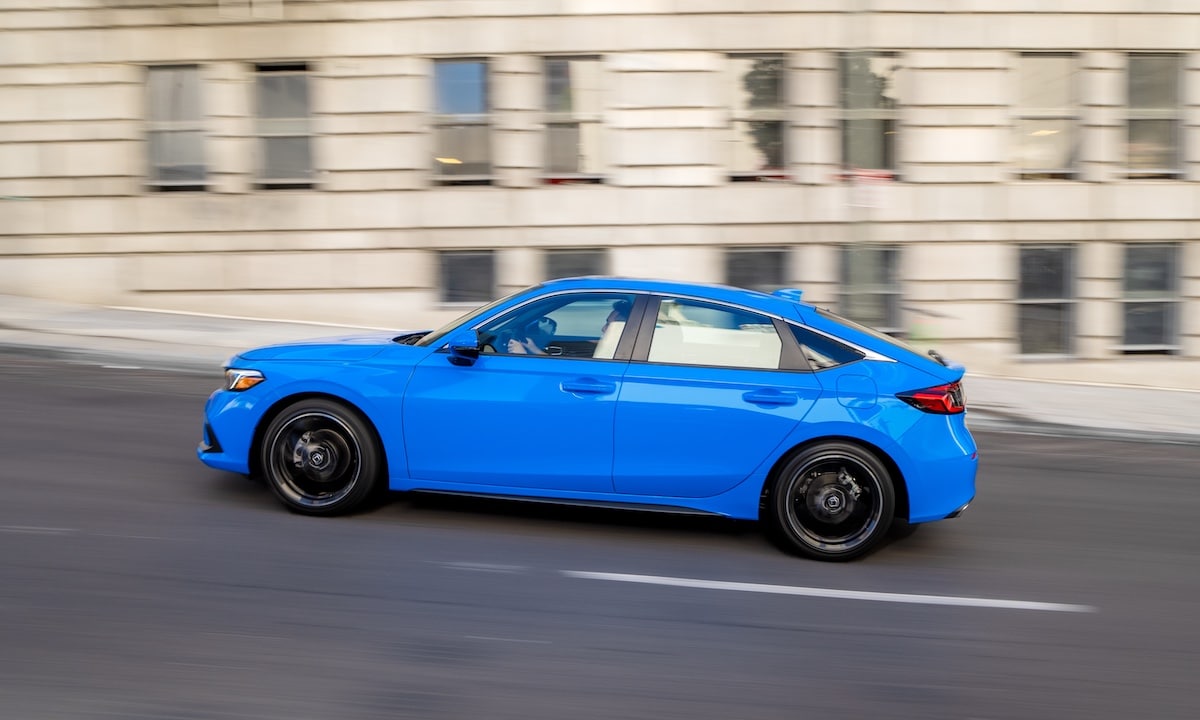
The Civic is Honda’s most well-known vehicle globally and a staple of sales in the United States. Now in its eleventh generation, which came to market for the 2022 model year, this little car has a well-earned reputation for reliability and economy. That doesn’t mean the Honda Civic is free of known problems, however.
Most of the issues with the current generation Civic center on some safety recalls and common consumer complaints.
Major Issues: 1.5L Turbo Engine Head Gasket Concerns
Owners shopping for a 2022-2026 Honda Civic should know that head gasket concerns primarily involve models equipped with the 1.5-liter turbocharged engine. Reports from owners and independent repair shops, along with several class action lawsuits, allege some of these engines can develop premature head gasket failures, particularly as mileage increases.
Early warning signs include rough cold starts, intermittent misfires, unexplained coolant loss and a check engine light. If left unaddressed, coolant can leak into one or more cylinders, resulting in costly engine repairs.
The issue is associated with the 1.5-liter turbo engine found in trims such as the EX, Touring, Si and Sport Touring. By comparison, the naturally aspirated 2.0-liter four-cylinder engine used in the LX and Sport models has not developed the same pattern of head gasket failures and continues to have a strong reputation for long-term reliability.
While widespread failures have not been documented across every 2022-2026 Civic with the 1.5-liter turbo, owners should pay attention to coolant levels and investigate persistent misfire codes rather than assuming they are caused by worn spark plugs or ignition coils.
Besides, the engine, unlike many compact cars, the Civic’s continuously variable transmission (CVT) has not developed a pattern of widespread failures. Regular fluid changes remain the best way to maximize longevity, but there are no major transmission defects associated with the 2022-2026 Civic.
Major Safety Recalls for the Civic
Safety recalls are initiated by the manufacturer, the National Highway Traffic Safety Administration (NHTSA), or both. The following recalls are accompanied by the relevant NHTSA reference number as appropriate.
Front Passenger Airbag Sensor (Campaign #26V-332): Affects 2022–2026 Civics. A capacitor in the seat weight sensor can crack due to humidity, causing the front and knee airbags to deploy even when they should be suppressed. Dealerships will replace the sensor at no charge. This recall affects a long list of Honda and Acura vehicles.
Radiator Grille Recall (Voluntary): Some 2026 hybrid models were recalled because the honeycomb holes in the front grille were too large, leaving the radiator vulnerable to rock strikes and damage.
Steering Gearbox (Campaign #24V-776 / #24V-462): Affects roughly 1.7 million vehicles (including 2022–2025 Civics). An improperly produced steering worm gear can cause excessive friction, making the steering wheel stick or feel unresponsive at highway speeds. Dealers will inspect, adjust, and replace parts as necessary.
Electric Power Steering Rack (Service Replacement): Affects certain 2022–2024 Civics that had their power steering racks replaced previously in service. Incorrect assembly can lead to tire damage
Driver’s Seat Improper Installation (Campaign #24V-859): Affects model years 2023-2024 Civics that have improperly torqued driver’s seat cushion-to-frame bolts that could lead to those bolts coming loose over time. Dealerships will inspect and properly torque or replace bolts.
Airbag Unintentional Deployment (Campaign #26V-332): Affecting 2022 model year Civics, this recall is for airbags which could improperly or unintentionally deploy in a crash. This recall affects many Honda vehicles.
Civic Technical Service Bulletins
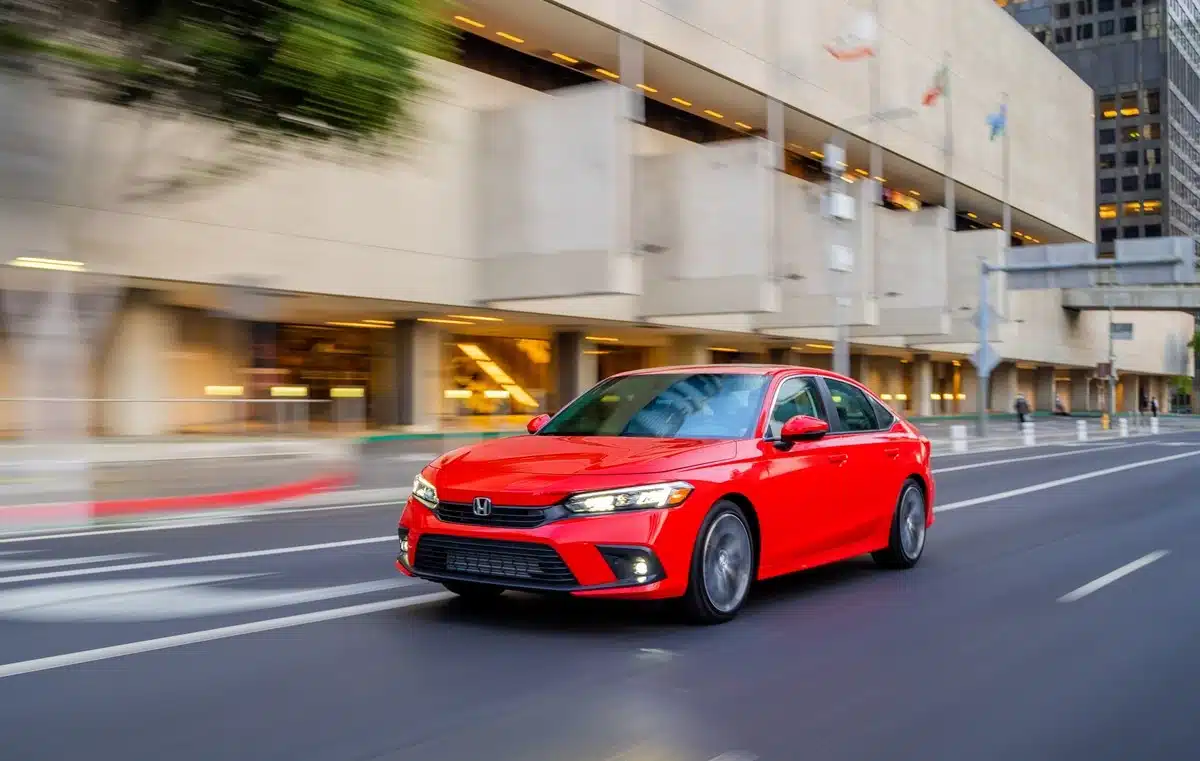
Technical service bulletins (TSBs) are issued by the manufacturer to dealerships and technicians to outline fixes for commonly-reported problems. Most of the time, these repairs are done under warranty.
Hatchback Water Leaks: Honda released a fix (TSB for “Water Intrusion in the Rear Hatch Area”) for 2022–2024 (and some early 2025–2026) hatchbacks that allowed water to pool in the spare tire area or drip into the cabin. The repair involves drilling weep holes to allow water to drain safely outside the seal.
A/C Compressor Seizure: Honda has issued bulletins regarding seized A/C compressors causing the air conditioning to blow warm on certain 2024–2025 Civics.
Adaptive Cruise Control: Early 2022 models required software updates to resolve erratic behavior in the lane-keeping and adaptive cruise control systems
Miscellaneous Interior/Exterior: Various TSBs exist for center console rattles, window trim wind noise, and other trim/plastic issues of a similar nature. These issues are usually regarding slight defects in manufacturing or misaligned plastics.
Miscellaneous Software/Infotainment Bugs: Several TSBs regarding updating software for in-vehicle infotainment and control software have been issued.
Honda Civic Known Problems
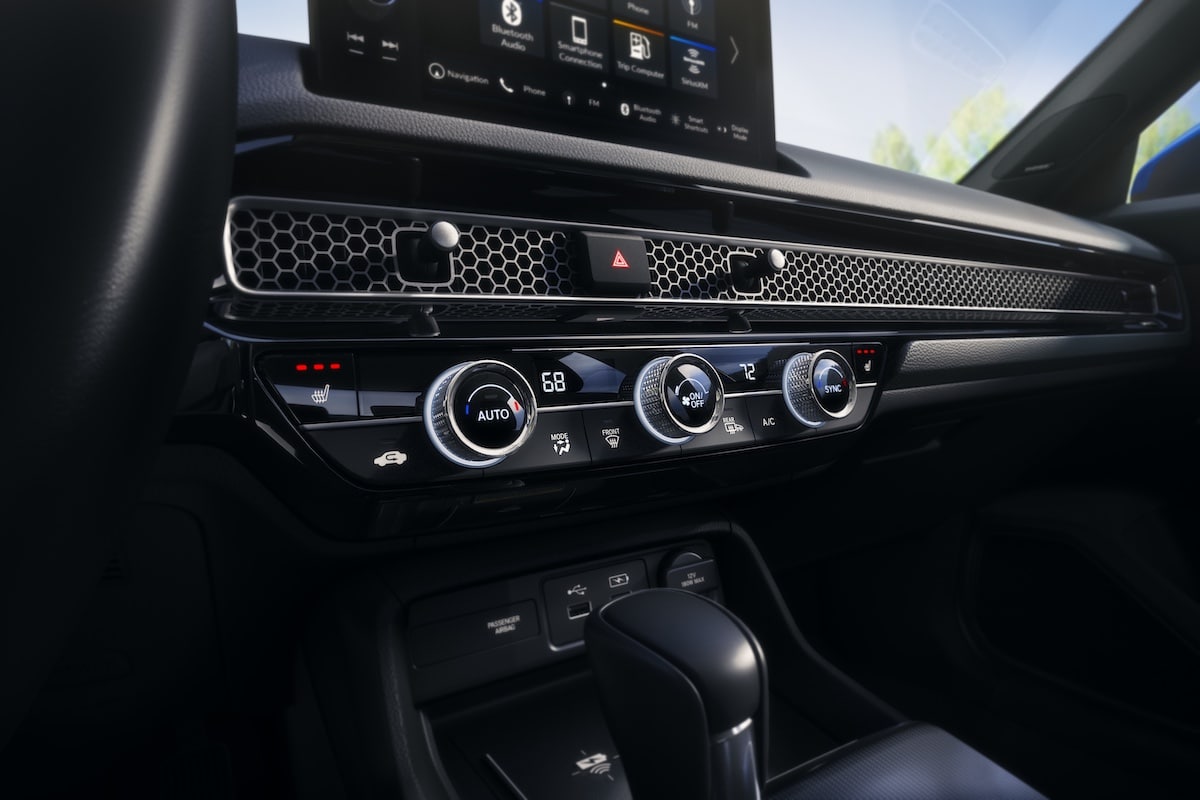
These known problems are those most commonly reported by owners and technicians in online forums and on social media. Some of these issues have a TSB that may be related while others might be warranty claims. Most of these are complaints common across several Honda models.
Slow Infotainment: The touchscreen infotainment system is widely criticized in owner reviews and enthusiast forums for being laggy, taking up to 20 seconds to load after the car is started.
Connectivity Glitches: Users consistently report issues with Apple CarPlay and Android Auto freezing or randomly disconnecting.
Collision Braking System (CMBS) Malfunctions: One of the most frequently reported complaints involves the automatic emergency braking system. Some drivers experience sudden, unprovoked braking on clear, open roads.
Valve Cover Leaks: A minority of drivers, specifically on the 1.5-liter turbocharged engines found on trims like the Civic Si have experienced minor valve cover oil leaks, which are covered under standard factory warranty.
Spare Tire & Tire Well Missing: Many versions of the Civic (especially the newer hatchback variants) do not come with a spare tire, and some even lack a storage well to hold one.
How To Check For Recalls On Your Honda

The easiest way to check for current recalls that may affect your Civic is to visit the National Highway Transportation Safety Administration (NHTSA) Recalls page and enter your license plate or 17-digit vehicle identification number (VIN) to run a search. You can also do this at the Honda Recalls Lookup page.
Editor’s note: additional reporting by Tim Esterdahl.