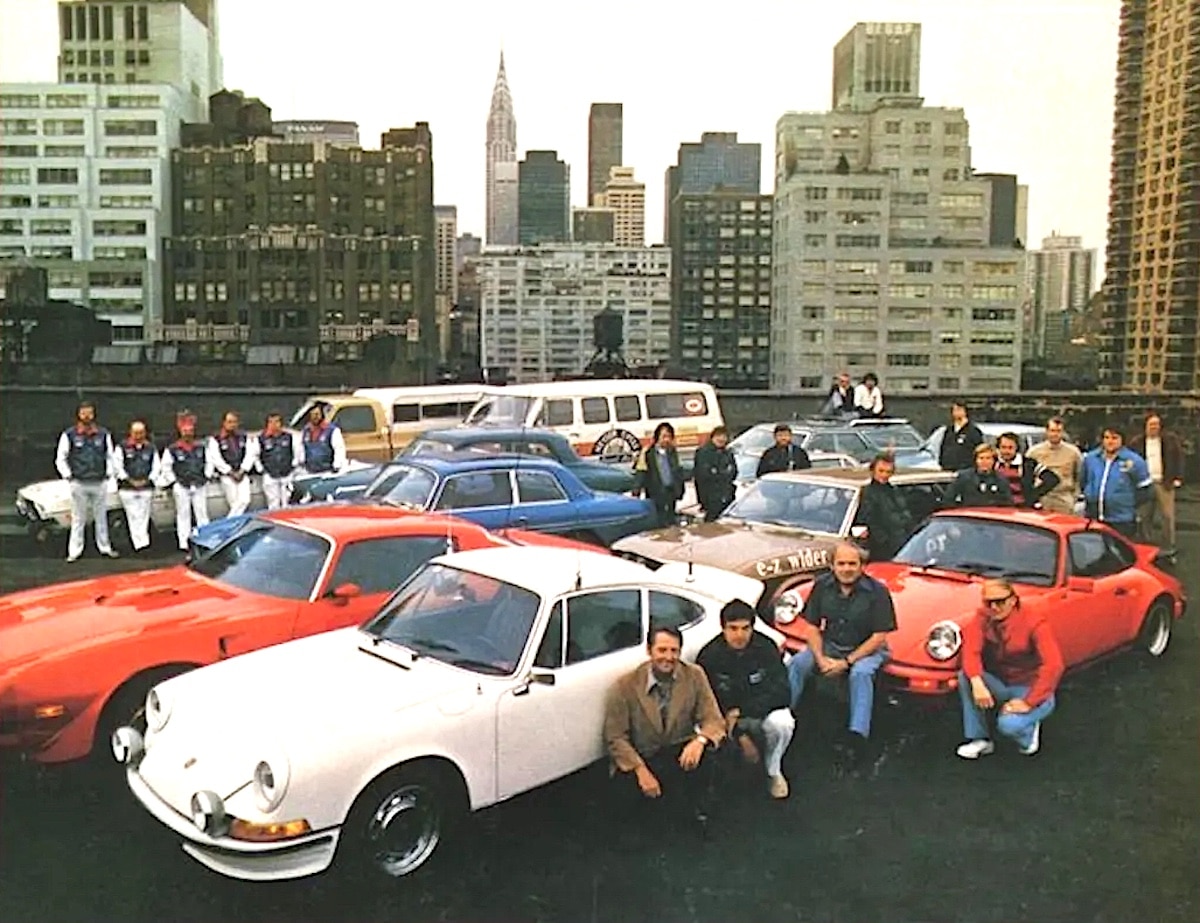
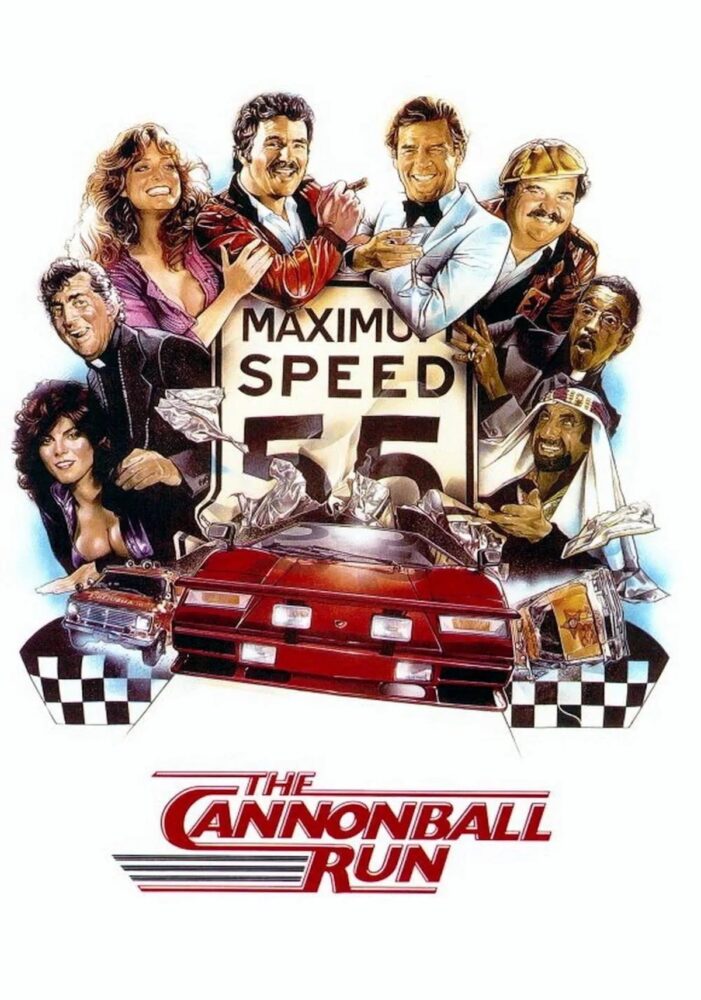
Cannonball Run was a movie the way gas station nachos are a meal: technically true, morally questionable and somehow irresistible. But the real thing was a coast-to-coast sprint conducted at speeds that would make a state trooper smile into his ticket book.
WHAT THE CANNONBALL RUN WAS
Run four times between 1971 and 1979, back when America still believed horsepower was a constitutional right, this particular week in 1975 saw the third running. It wrapped up with Jack May and Rick Cline stuffing a Ferrari Dino 246 GTS across the continent in 35 hours and 53 minutes, one minute faster than the previous record, which in Cannonball math is the difference between immortality and being forgotten at the bar.
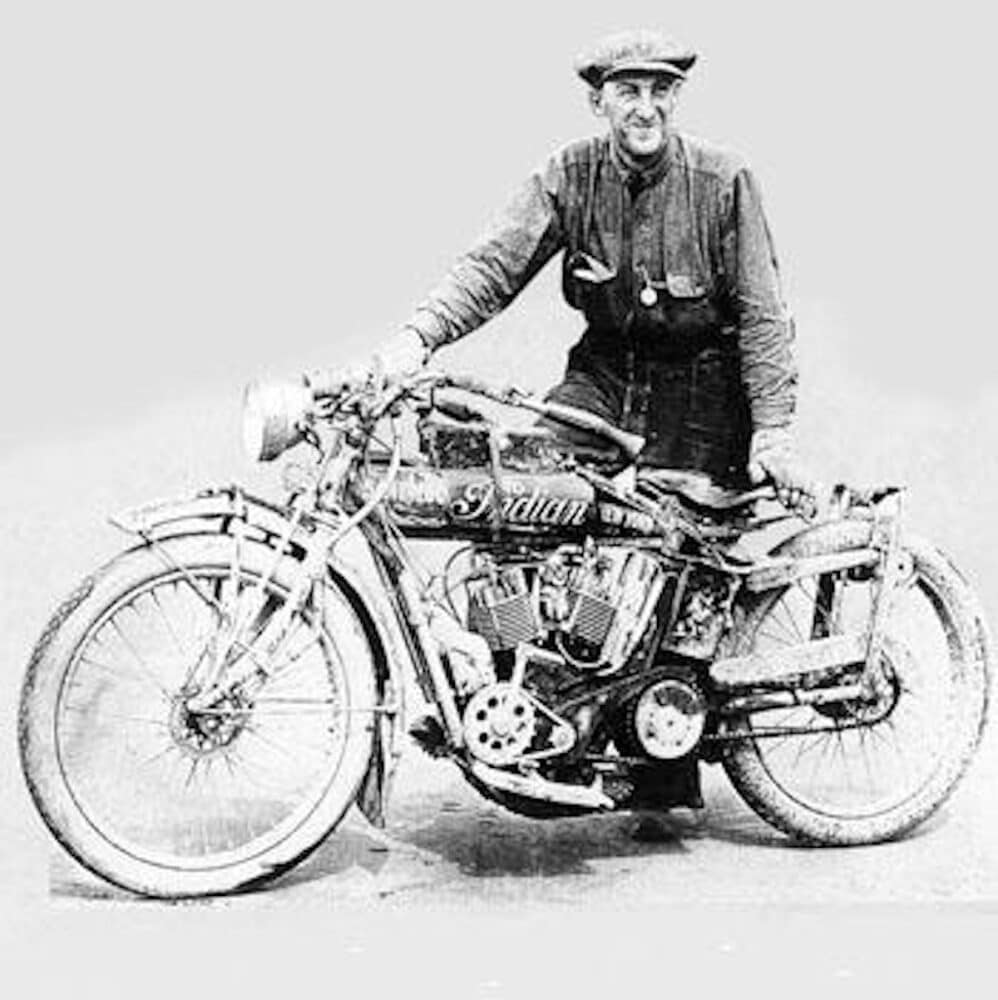
The real race died with its ringleader, Brock Yates of Car & Driver. Others have tried to resurrect the event, like hobbyists attempting to revive disco. But there was only ever one true Cannonball Baker Sea-To-Shining-Sea Memorial Trophy Dash. Named after Erwin “Cannon Ball” Baker, who collected 143 cross-country speed records from 1915 through 1933, it had exactly one rule: get from point A to point B any way you like, as fast as you can. No committees, no compliance officers, no laminated handbook; just velocity and nerve. The entry fee was $250; that’s $1,560 adjusted for inflation.
The prize? Not money. Not fame. A sculpture made of tools called the S-K “Nutmaster,” which sounds less like a trophy and more like a diagnosis.
THE IMPORTANCE OF THE CANNONBALL RUN’S THIRD RACE
Now, the third race matters, not because of who won, but because two men decided to leave behind something more enduring than tire marks and unpaid citations. They left evidence. Jim Atwell, a retired Army colonel, and Chick Stanton, a Porsche salesman with a taste for bad decisions, recorded their run on a cassette tape. Not a highlight reel, but an audio diary of fatigue, weather, and the steady erosion of sanity.
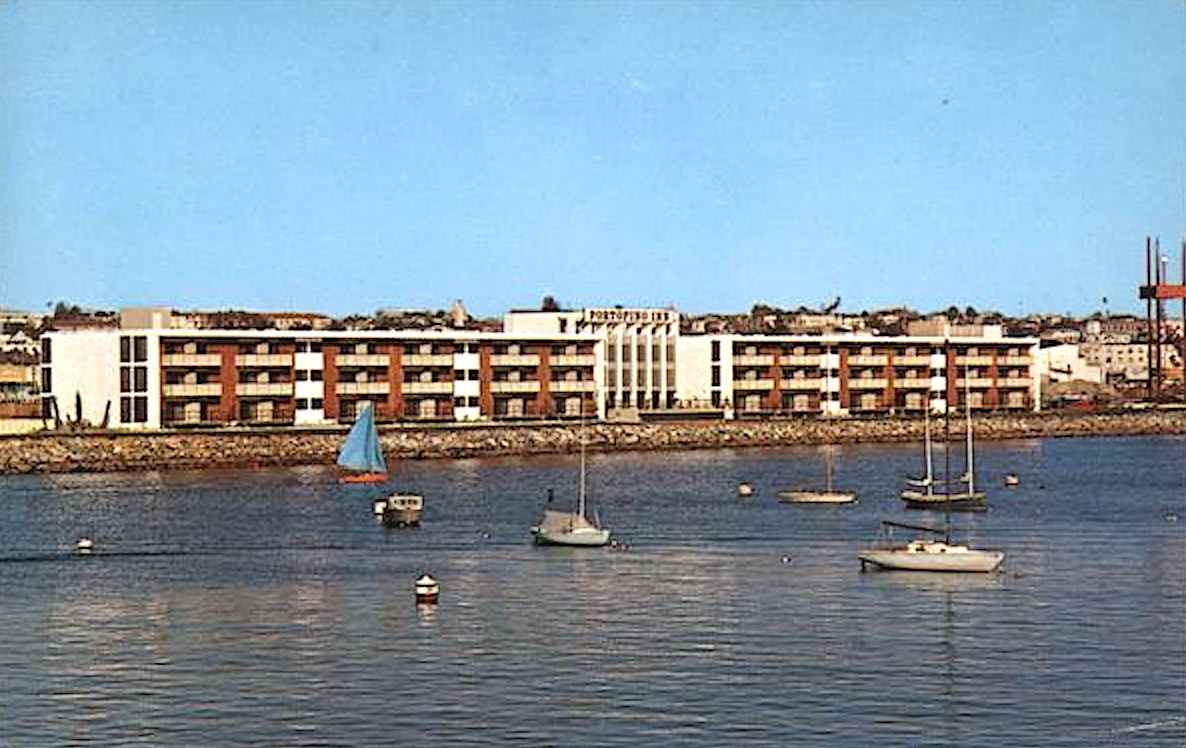
They’d practiced beforehand, running from the Red Ball Garage at 31st Street and Lexington Avenue in Manhattan, to the Portofino Inn in Redondo Beach, California in just over 36 hours, fast enough to earn a slot in the real show. For the main event, Atwell brought a brand-new Porsche 911 Carrera, because when you’re planning to defy physics and federal law, you might as well do it in German.
THE START OF ANOTHER CANNONBALL RUN
At the start, there’s no flag drop, no anthem, just a sticker slapped on the windshield and the quiet understanding that you’re about to make some very creative life choices. “We’re going to catch Yates between here and Columbus,” Atwell says on the recording.
“Alright, the stamp is being affixed,” Stanton said as a Cannonball sticker is affixed to the windshield. “There it is Jim, let’s go.”
Tires squeal, engines howl, and off they go into the great American expanse of highways, speed traps, and questionable gas stations.
WE PLAN, DESTINY DECIDES
Pennsylvania greets them with weather that feels personally offended by their presence, namely rain, fog, and flooding, the sort of conditions that make you reconsider both your route and your sanity. The CB radio chatters endlessly, a Greek chorus of truckers and outlaws. Along with road noise and a barking exhaust, Atwell predicts they’ll both be deaf by Los Angeles. “Although the CB radio is a great warning device, it’s a pain in the ass to have to listen to it constantly.”
This wasn’t a Sunday drive.
The Cannonball demanded constant motion: minimal sleep, minimal stops, maximum alertness. Drivers carried extra licenses and enough cash to pay fines on the spot, because in pre-ATM America, even lawbreaking required liquidity. Somewhere along the way, other competitors got nabbed, proving that gravity isn’t the only force you can’t outrun forever.
“We’re tiptoeing like hell out of Oklahoma,” Stanton grumbles, slowing down to 75 mph.
“We’re trying to behave ourselves long enough to get out this state,” Atwell says.
“That’s not easy when you’ve been in the damn state for 10 hours,” Stanton replies
CANNONBALL RUN EDGES CLOSER TO GREATNESS
And then, almost absurdly, things go right. The Porsche hums along like it was engineered specifically for cross-country misbehavior. No near misses, no heroics, just a steady, relentless push westward.
“We’ve come across all the states without a bit of difficulty,” Atwell said, noting that the 911 had made it easy. “We haven’t even had a near miss with any kind. It’s been a very smooth and uneventful trip.”
They arrive in California after 38 hours and 58 minutes, averaging 74.5 mph, good for seventh place out of eighteen. Respectable, but not headline material. May and Cline take the win, edging out the previous record by sixty seconds.
Yates later wrote that it was over, filed away into the dusty cabinet of sporting oddities. Which is probably the right place for it. But somewhere between myth and misdemeanor, it leaves behind a single, enduring truth: if you give Americans a powerful car, a full tank of gas, and exactly one rule, they will turn the entire country into a timing slip