Ever since Dodge revived the Charger in 2006, the formula has been wonderfully uncomplicated. Take a big car, install a big engine, and let physics, fuel economy, and polite society sort out their feelings later.
That formula hit a speed bump with the all-electric 2025 Dodge Charger Daytona EV. Asking traditional Dodge Charger buyers to embrace battery power is like asking bourbon drinkers to switch to cucumber-infused sparkling water.
Fortunately for fans of internal combustion, Dodge has another answer. The 2026 Dodge Charger R/T and 2026 Dodge Charger Scat Pack arrive with Stellantis’ twin-turbocharged Hurricane inline-six engine, marketed under the decidedly frat-bro name, Sixpack. Clearly, the branding department deserves a raise.
SIX CYLINDERS, ZERO APOLOGIES
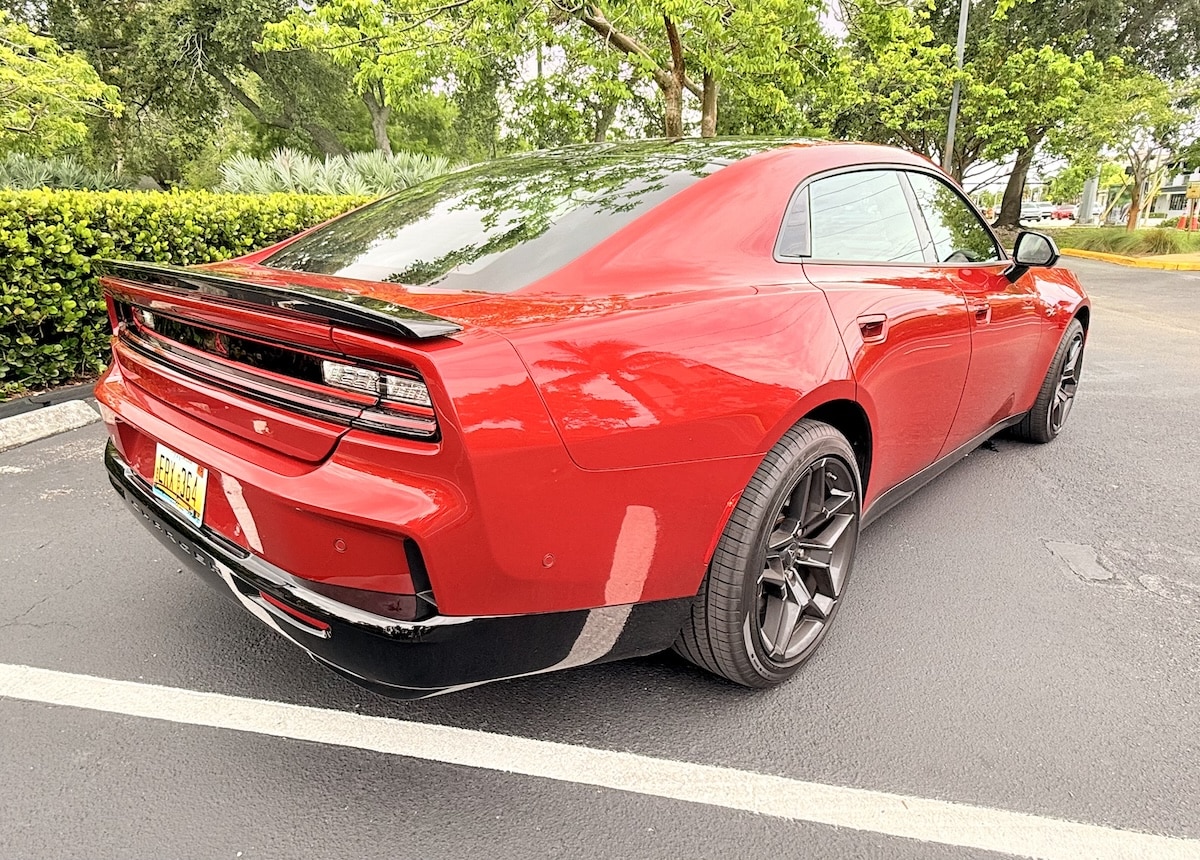
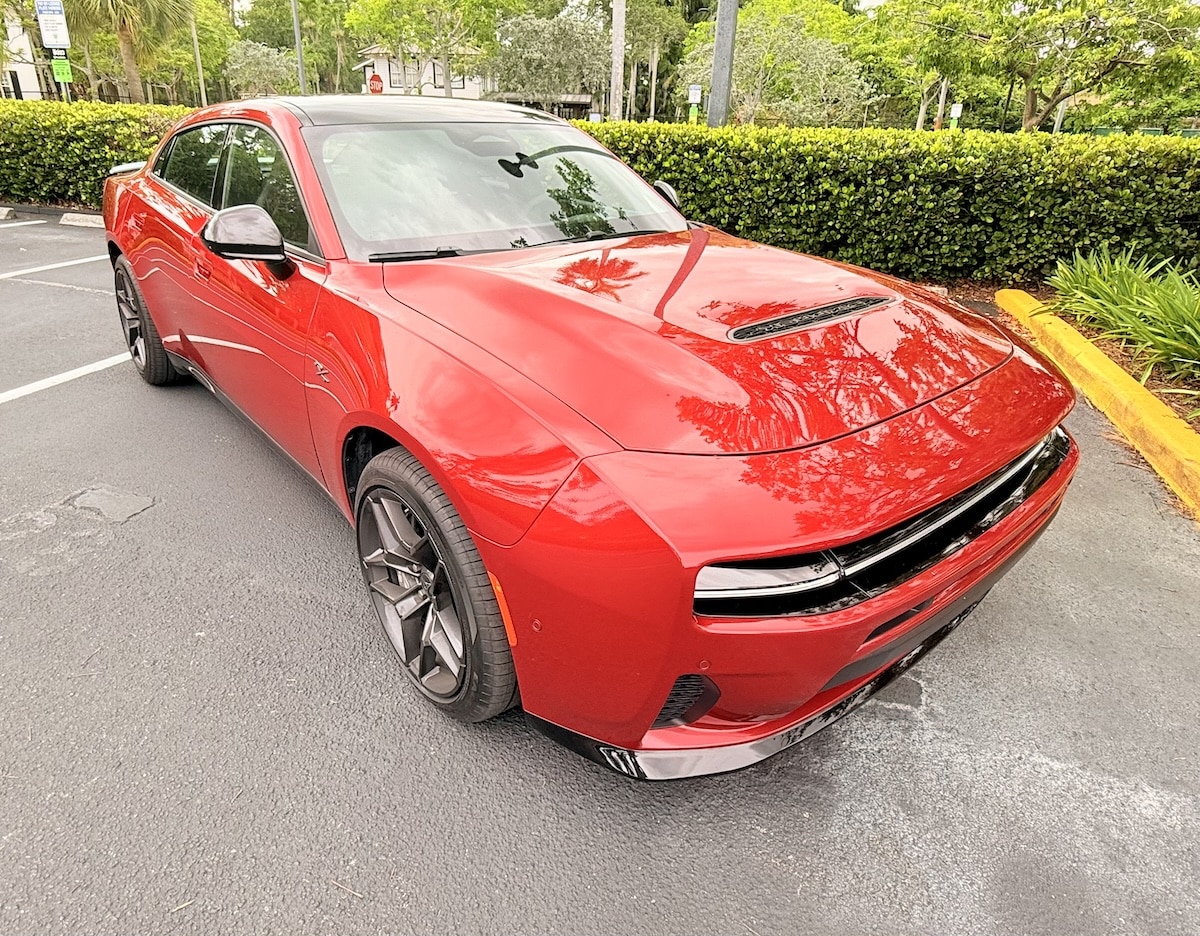
The 2026 Dodge Charger is available as either a coupe or sedan, proving Dodge still understands that practicality and excess don’t have to be mutually exclusive. The Dodge Charger R/T uses the standard-output Hurricane inline-six, producing 420 horsepower. Of course, there was a time when 420 horsepower was something manufacturers printed in advertisements in large red type. Today it’s the sensible choice in a family sedan.
Move up to the Dodge Charger Scat Pack and output climbs to 550 horsepower. Power reaches all four wheels through an eight-speed automatic transmission, although Dodge thoughtfully allows drivers to disconnect the front axle and send all 550 horsepower rearward. This serves no practical purpose whatsoever, aside from transforming expensive rubber into atmospheric carbon, which is precisely why we love it.
HOW THE 2026 DODGE CHARGER SIXPACK DRIVES
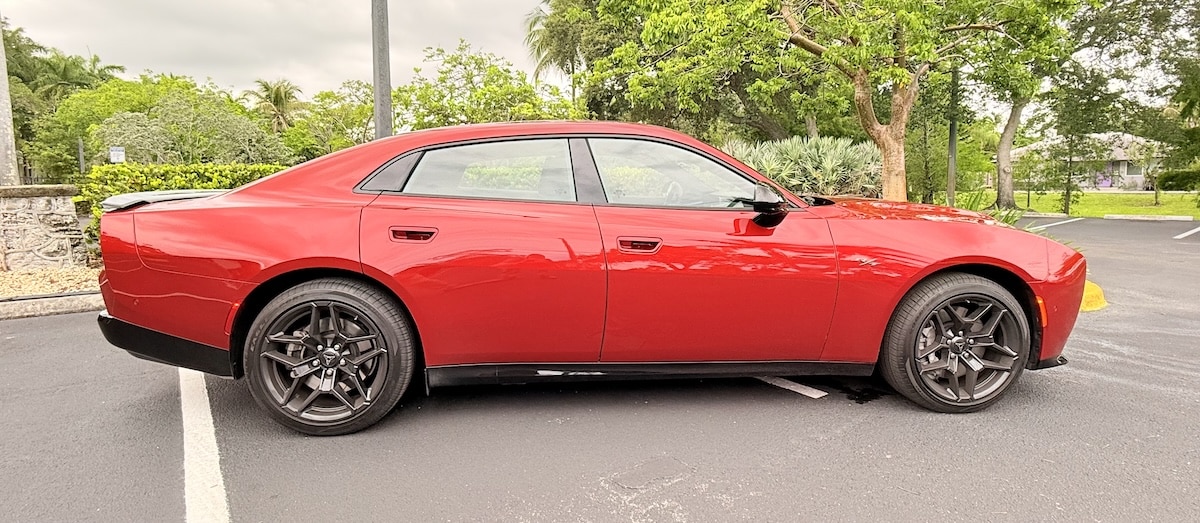
Mash the accelerator and the twin-turbocharged Hurricane engine responds with surprising urgency. The 2026 Dodge Charger lunges forward with the enthusiasm of a Labrador retriever that has just heard the word “walk.”
For a full-size muscle car measuring nearly 207 inches long and weighing close to 5,000 pounds, the Charger is remarkably composed. No one is going to confuse it with a sports car, but Dodge deserves credit for making something this large feel unexpectedly manageable on winding roads. The suspension keeps body motions under control while preserving enough ride comfort to make long highway trips enjoyable. After all, muscle cars spend far more time crossing states than clipping apexes.
Fuel economy remains an interesting concept. During testing, the standard Hurricane-powered Charger returned 14.9 mpg in mixed driving. But nobody buys a Charger because they want to save polar bears. They buy them because passing slower traffic is one of life’s enduring pleasures.
TECH TALK
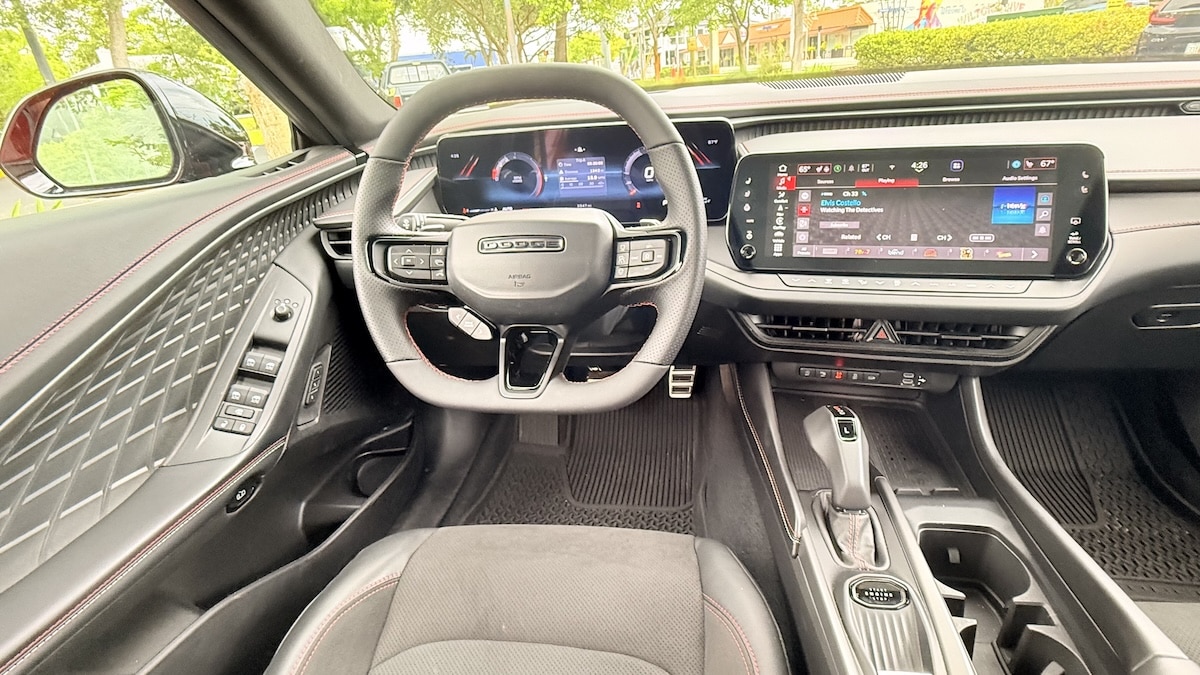
Modern muscle cars need modern technology, and the new Dodge Charger delivers plenty of it.
A 10.25-inch or 16-inch digital instrument cluster sits ahead of the driver, depending on model, while a 12.3-inch infotainment touchscreen anchors the center stack. Buried in the screen’s menus are dozens of performance readouts that no sane driver needs and every enthusiast desperately wants. The car will tell you things engineers understand and lawyers wish wouldn’t. It’s catnip for anyone who ever regarded a speedometer as less a measuring device than a challenge. Wireless Apple CarPlay, Android Auto, wireless charging, and multiple USB-C ports come standard.
THE INSIDE STORY
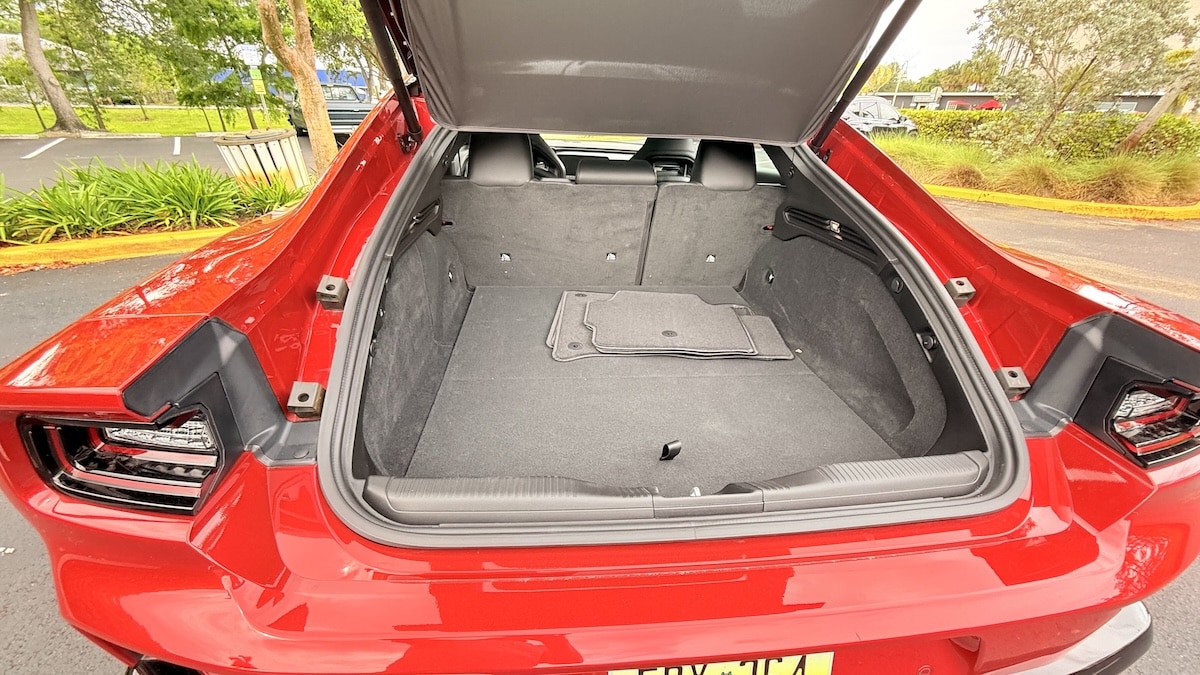
Inside, the 2026 Dodge Charger’s cabin offers generous space, although rear-seat passengers may find legroom limited if front occupants insist on reenacting airline seating arrangements. The available glass roof adds an airy feel. But the lack of a sunshade may become a topic of discussion in Texas, Arizona, Florida, and any other state where summer resembles a geothermal event.
The hatchback design creates a large, useful, if shallow, cargo area, making the Charger one of the more practical vehicles in the modern muscle-car segment. And we applaud the pistol-grip shifter, because nostalgia, unlike fuel economy, never goes out of style. We don’t like the plastic trim, which feels cheap enough to qualify for government assistance.
THE UPSHOT
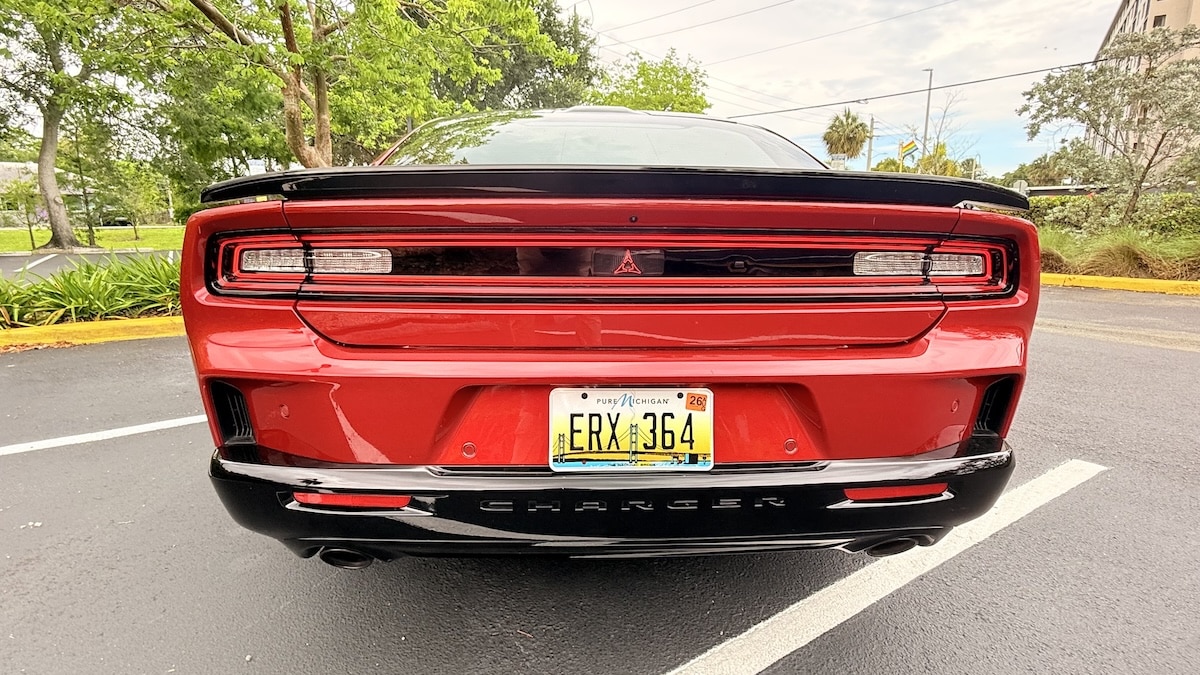
With pricing starting around $52,000, the 2026 Dodge Charger isn’t cheap. Then again, neither are most things that produce 420 to 550 horsepower. What matters is that Dodge has preserved the Charger’s essential character. The V8 may be gone, but the attitude remains intact. The 2026 Dodge Charger R/T and Dodge Charger Scat Pack are still loud, fast, unapologetic American muscle cars. They remain gloriously unconcerned with trendiness, moderation or approval. And that’s not a weakness, it’s the entire selling point.